
The S3 Group focuses on demand-side systems as entry points for sustainable transformations. The group analyses demand for energy and materials through the lens of service provision of mobility, shelter, and consumer goods, as well as how lifestyle changes can contribute to consumption reduction.
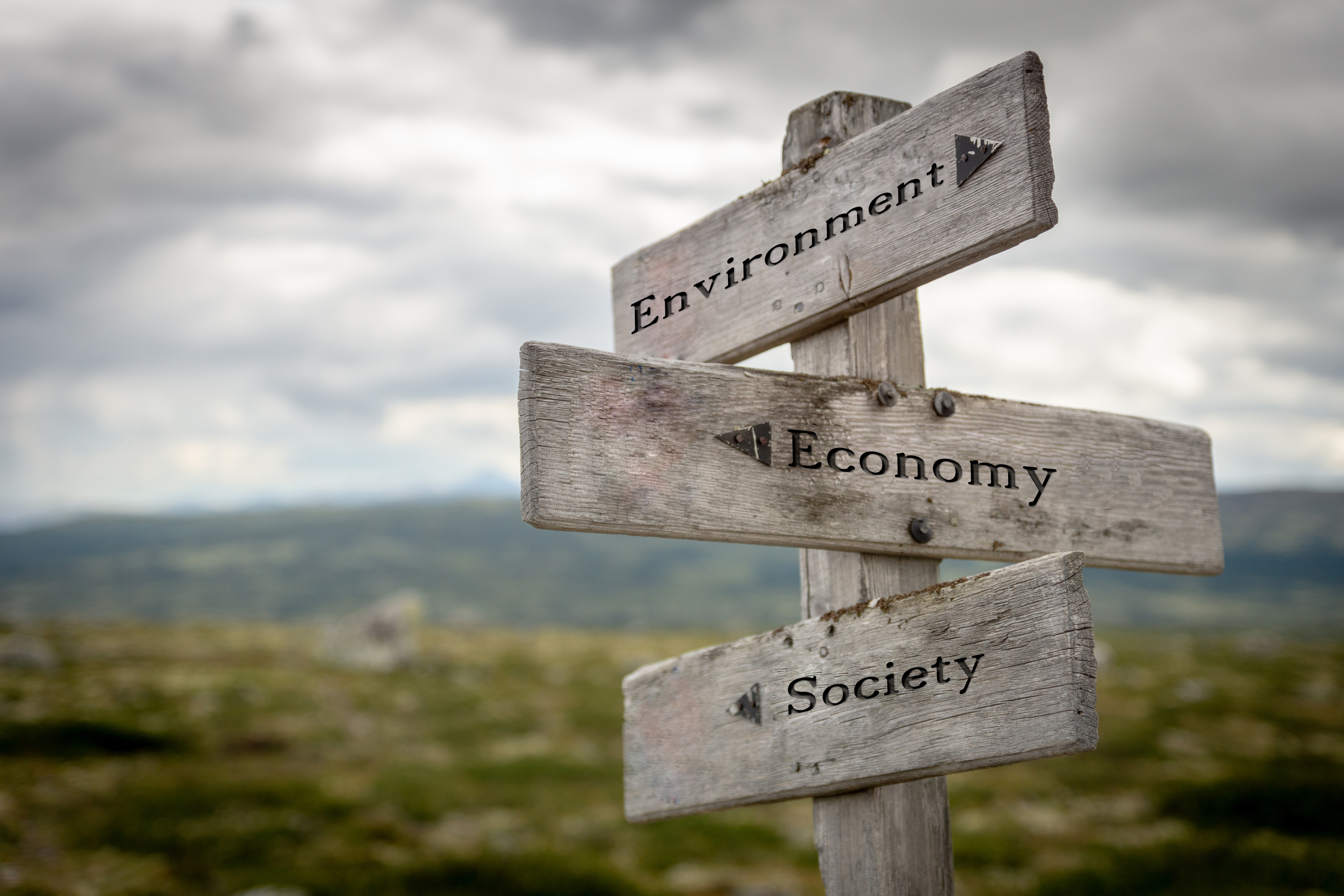 © Jon Anders Wiken | Dreamstime.com
The S3 Group have two overarching research objectives. First, to understand the evolution of behaviors and lifestyles around energy services and assess their environmental impacts; and second, to identify and understand policy interventions that can change behaviors and lifestyles to minimize environmental impacts. The group’s research binds together work on three domains that are critical for a transformation toward sustainable societies, namely buildings, mobility, and consumer goods, which are connected through changes in infrastructures and lifestyles. S3 aims to establish and lead a research community on demand-side transitions and to innovate conceptual frameworks for demand-side model comparisons.
Themes
Scenario Services and Scientific Software
Access to Energy Services
Finance
Sustainable buildings
Models, tools, datasets

Model for Energy Supply Strategy Alternatives and their General Environmental Impact (MESSAGEix)

ENGAGE Scenario Explorer

NGFS-IIASA Scenario Explorer

AR6 Scenario Explorer and Database
Projects

Exploring National and Global Actions to reduce Greenhouse gas Emissions (ENGAGE)

Next generation of AdVanced InteGrated Assessment modelling to support climaTE policy making (NAVIGATE)

Energy Demand changes Induced by Technological and Social innovations (EDITS)

Sustainable development pathways achieving Human well-being while safeguarding the climate And Planet Earth (SHAPE)
Staff

David Liam Leoncio Hehl
Researcher (S3)

Jarmo Kikstra
Research Scholar (IACC, S3, TISS)

Shu Nawawi
Research Scholar (S3)

Quanliang Ye
Research Scholar (S3)
News
02 July 2026
CircEUlar contributes to discussions at the 35th Meeting of the International Resource Panel
As part of the 35th Meeting of the International Resource Panel (IRP), held in Berlin from 8-12 June 2026, CircEUlar and its sister project CIRCOMOD contributed to a dedicated side event for IRP Steering Committee members focused on the role of circular economy measures in greenhouse gas emission mitigation.
19 June 2026
Using less, living better: Demand-side climate action wins public support
A new IIASA-led study finds that climate strategies that cut energy and resource demand tend to improve quality of life across a broader range of dimensions than supply-side alternatives and shows that communicating these wider benefits can strengthen public support.

18 June 2026
Bridging Research and Policy on Circular Economy Pathways to Net-Zero
Reflections on how circular economy modelling research can better inform policy for the transition to net-zero
Events
St. Pölten, Austria
IIASA at European Researchers' Night
Focus

02 July 2026
The social side of climate action
What can millions of online conversations tell us about climate action? A new dashboard developed at IIASA uses AI to analyze social media discussions on food, mobility, and home energy choices, helping researchers track the social norms, barriers, and motivations that shape low-carbon lifestyles. By complementing traditional surveys with large-scale social media data, the LOW-AI project offers a new perspective on how climate-relevant behaviors are discussed and adopted in everyday life.
Annual Report 2025
Annual Report 2025: Energy, Climate, and Environment Program Highlights
The transition to a low-carbon future requires both ambitious action and a clear understanding of what works. In 2025, the Energy, Climate, and Environment Program produced research that helped clarify the opportunities, trade-offs, and practical pathways for accelerating climate mitigation and strengthening environmental sustainability.