
ECE’s overarching vision is to provide evidence-based, scientific roadmaps for feasible systems transformations that simultaneously meet the Sustainable Development Goals (SDGs) and ambitious climate change mitigation targets.
Emphasis is placed specifically on local policy decisions and actions required in the short term to put the world on track to achieve long-term targets while assuring human health, wellbeing, and the reduction of social inequalities in a socially and economically sustainable manner. The program’s systems analytical tools enable it to act as an objective scientific broker in support of sustainable transformational processes. ECE combines the research portfolios of the former Air Quality and Greenhouse Gases, Energy, and Transitions to New Technologies programs.
The ECE program is organized in five Research Groups which encompass different thematic areas of research:
ECE Research Groups
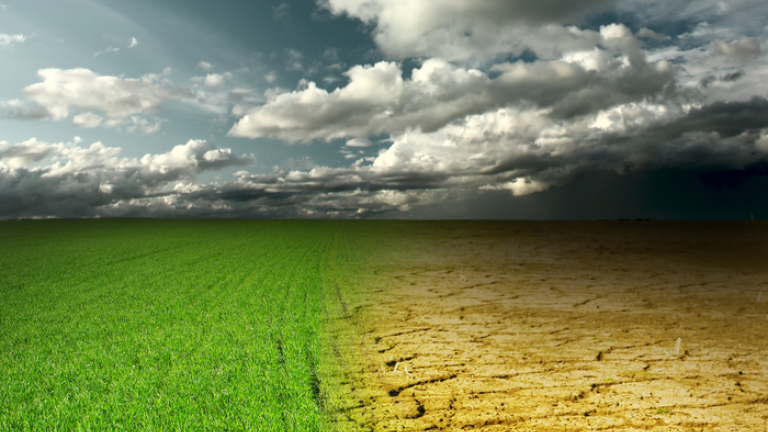
Integrated Assessment and Climate Change (IACC)
The IACC Group leads the development of tools for a new generation of “coupled” global transformation pathways that are able to represent bottom-up local constraints and opportunities at the national and sub-national scale, which is a major focus of the ECE Program.

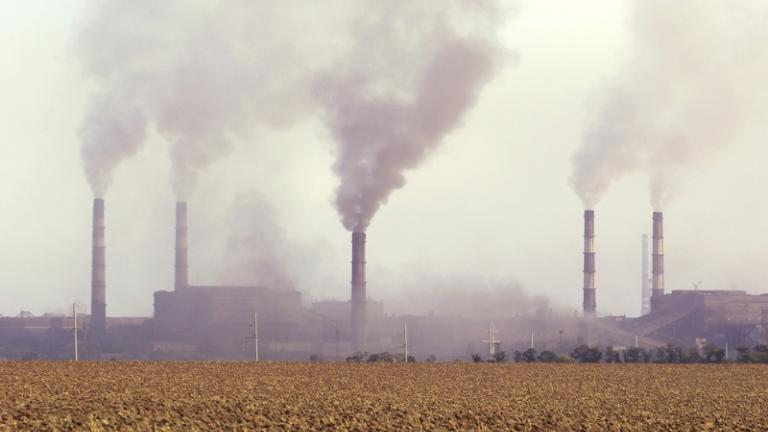
Pollution Management (PM)
The PM Group focusses on solving immediate and near-term environmental (health and ecosystems impacts from pollution), climate (non-CO2 greenhouse gases), and social (widening inequality gaps) problems in a cost-effective way, providing support to policymaking at local and regional scales.
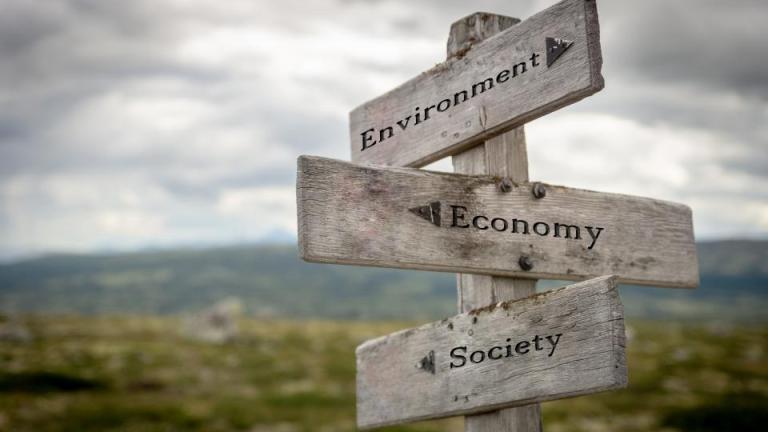
Sustainable Service Systems (S3)
The S3 Group focuses on demand-side systems as entry points for sustainable transformations. The group analyses demand for energy and materials through the lens of service provision of mobility, shelter, and consumer goods, as well as how lifestyle changes can contribute to consumption reduction.
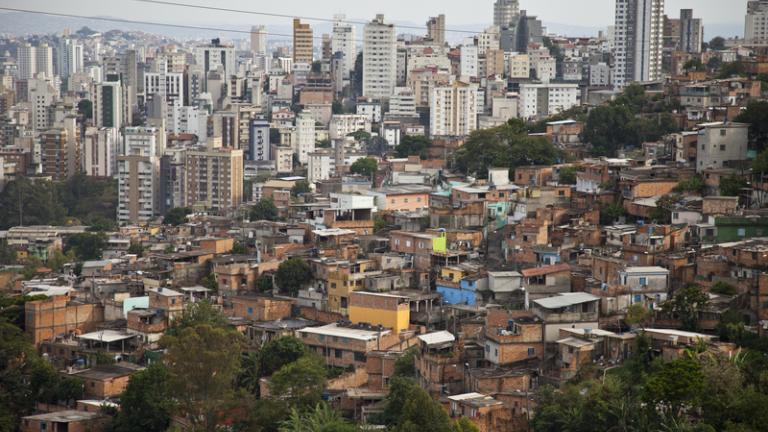
Transformative Institutional and Social Solutions (TISS)
The TISS Group explores innovative solutions to environmental issues that integrate social, institutional, and governance drivers with technological and economic considerations, with an emphasis on improving conditions for the most deprived and marginalized in society.
Themes
Nutrient cycling
Non-CO2 greenhouse gas sources
ECE Nexus
Just and Feasible Transitions
Scenario Services and Scientific Software
Access to Energy Services
Heterogeneities and Inequalities
Finance
Modeling for National Transformations
Materials
Extreme Weather and Climate Dynamics
Sustainable buildings
Stakeholder Engagement in Climate Science
System dynamics of climate-economy-society interactions
Models, tools, datasets
Model for Energy Supply Strategy Alternatives and their General Environmental Impact (MESSAGEix)

The NExus Solutions Tool (NEST)
AR6 Scenario Explorer and Database
Greenhouse Gas and Air Pollution Interactions and Synergies (GAINS)
Projects

Response of the Earth System to overshoot, Climate neUtrality and negative Emissions (RESCUE)

Energy Demand changes Induced by Technological and Social innovations (EDITS)
Staff

Sandeep Chowdhary
Research Scholar (S3)

Yiyi Ju
Research Scholar (IACC, S3)

Robert Sander
Senior Research Software Engineer (PM)

Marina Andrijevic
Research Scholar (IACC, TISS)
News

16 October 2026
Getting back on track to reduce methane emissions
A new study, led by IIASA researchers and coauthored by UNEP colleagues, finds that if governments fully implement their methane reduction plans, they could reduce global emissions by 11% between 2020 and 2030. This would reverse the current trend of increasing methane emissions, but would not be sufficient to achieve the goal of the Global Methane Pledge.

06 October 2026
Nanjing University delegation visits IIASA to explore future collaboration
A high-level delegation from Nanjing University (NJU), led by Professor Tan Zhemin, President of NJU and Fellow of the Chinese Academy of Sciences, visited IIASA to discuss opportunities for strengthening scientific cooperation and advancing joint research on global challenges.

21 September 2026
Fairness informs how the world cuts emissions
Who cuts emissions fastest, and who supports others do so, are central questions in global climate action. New IIASA-led research shows that building fairness into climate models from the start can inform deliberations without changing the overall climate goal.
Events
St. Pölten, Austria
IIASA at European Researchers' Night
Focus
27 July 2026
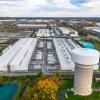
Can AI’s power problem become a clean-energy opportunity?
As artificial intelligence drives a surge in demand for electricity, concerns are growing about its impact on power systems and climate goals. IIASA researcher Behnam Zakeri argues that the challenge is not simply how to power AI, but how to harness the AI boom to accelerate the transition to cleaner, more flexible energy systems. Drawing on new research, he explores how energy storage can help ease pressure on electricity grids while creating opportunities that benefit both digital infrastructure and the wider energy transition.

02 July 2026
The social side of climate action
What can millions of online conversations tell us about climate action? A new dashboard developed at IIASA uses AI to analyze social media discussions on food, mobility, and home energy choices, helping researchers track the social norms, barriers, and motivations that shape low-carbon lifestyles. By complementing traditional surveys with large-scale social media data, the LOW-AI project offers a new perspective on how climate-relevant behaviors are discussed and adopted in everyday life.