
Throughout 2025, IIASA expanded its international cooperation through new agreements, research initiatives, and high-level exchanges focused on sustainability, climate action, and systems science.
New agreements to advance global research
IIASA established various new agreements with international partners to strengthen cooperation in key research and policy areas.
A renewed agreement with the Food and Agriculture Organization of the United Nations (FAO) coincided with the launch of the latest version of the Global Agro‑Ecological Zoning (GAEZ) tool, supporting improved assessments of land suitability and agricultural productivity.
IIASA partnered with Wageningen Social & Economic Research and researchers from three major Horizon Europe projects – LAMASUS, BrightSpace, and ACT4CAP2027 – to examine how agriculture can support Europe’s competitiveness, food security, and sustainability goals. The partnership resulted in a joint perspective paper presented at several European Commission events to inform discussions on the future Common Agricultural Policy.
In Eastern Europe, The Institute partnered with the United Nations Population Fund and Moldova’s National Institute for Economic Research to strengthen migration research and demographic projections in response to rapid population decline.
In the United Kingdom, a new agreement with the London School of Hygiene & Tropical Medicine focuses on advancing research at the intersection of climate and health, including the development of integrated models and One Health approaches.
IIASA also continued its collaboration with the Bezos Earth Fund and the Integrated Assessment Modeling Consortium (IAMC) on the Scenario Compass initiative. The Scenario Compass provides a curated ensemble of science-based scenarios that are vetted for consistency with recent global trends and presented in a consistent, accessible format. Designed as an easy entry point to global, regional, and national climate change mitigation scenarios, the platform supports researchers, policymakers, and other stakeholders in navigating the rapidly expanding landscape of climate futures.
Deepening research and policy cooperation with China
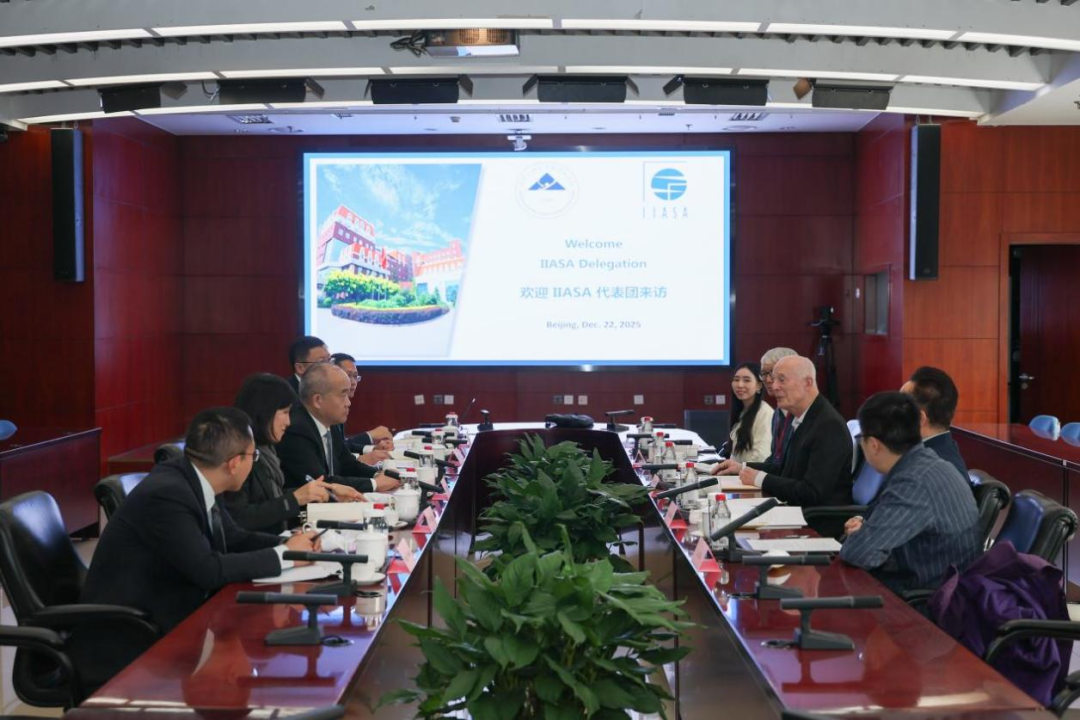
IIASA further strengthened its scientific cooperation with leading institutions in China through partnerships focused on climate, air quality, and systems analysis. Collaborations with the Beijing Institute of Technology, Peking University, and Beihang University expanded joint research, academic exchange, and policy-relevant modeling, including continued development of the GAINS‑Beihang model for air pollution assessment.
In April, IIASA signed a Memorandum of Understanding with the Chinese Academy of Agricultural Sciences (CAAS) aiming to strengthen strategic cooperation in agriculture, resources, and environmental research, as well as to share resources and leverage complementary expertise in Earth Observation, geospatial analysis, and smart agriculture. In October, IIASA also welcomed a high-level delegation from the Chinese Research Academy of Environmental Sciences (CRAES) for an in-depth exchange on advancing systems analysis and environmental solutions. These activities also highlighted IIASA’s broader role as a neutral platform for international scientific cooperation, which was reflected in a recent 2025 Nature article describing the Institute as a “safe zone” for collaboration amid geopolitical tensions.
At the national level, IIASA strengthened cooperation with the National Natural Science Foundation of China, its National Member Organization, with plans for expanded scientific exchange and participation in global initiatives.
Shaping open and sustainable research agendas in Europe
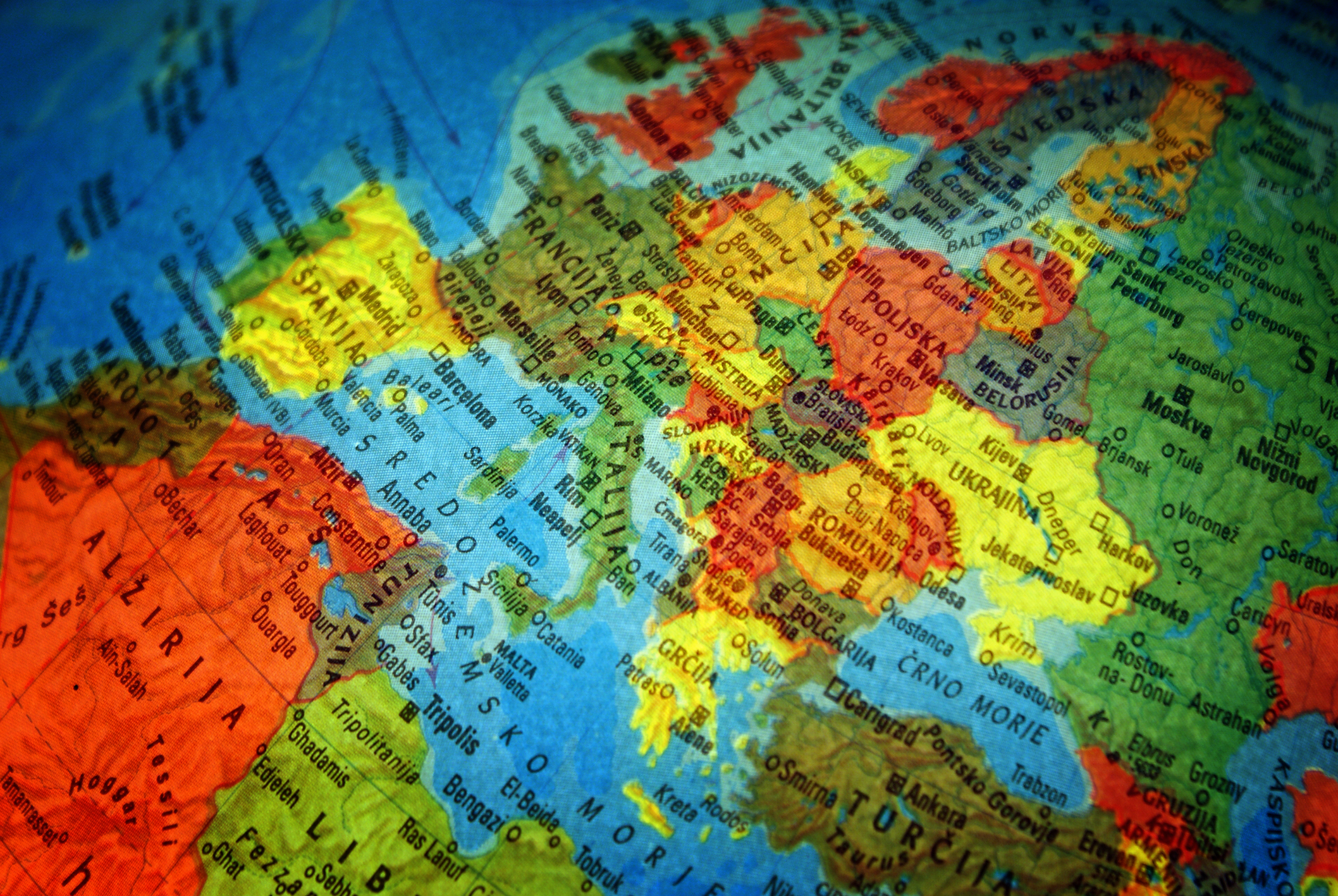
IIASA expanded its engagement with European research-policy networks through participation in the Global Research Council regional meeting, convened by Science Europe in Serbia.
Represented by Deputy Director General Karen Lips, IIASA contributed its systems analysis perspective to discussions on open science, artificial intelligence, and sustainable research systems. The meeting brought together leading research funding organizations to exchange best practices and discuss priorities for the 2026 Global Research Council Annual Meeting.
Several IIASA member countries, including Austria, Finland, Germany, Norway, Slovakia, Sweden, the United Kingdom, and Ukraine, were represented, highlighting strong alignment between IIASA and national research priorities. Discussions emphasized the importance of open, equitable, and data-driven research in responding to complex societal challenges.
This focus was also reflected in a new partnership between IIASA and Google DeepMind, combining AI capabilities with citizen science approaches to develop a global forest dataset supporting implementation of the EU policy on commodity-driven deforestation. The collaboration resulted in a joint publication in Scientific Data and is expected to expand further in 2026.
Expanding collaboration and capacity building in Africa
Last year, IIASA strengthened partnerships across Africa through cooperation with the Sub‑Saharan Africa Regional Member Organization (SSARMO), the South African National Research Foundation and National Research Fund, and the University of Pretoria.
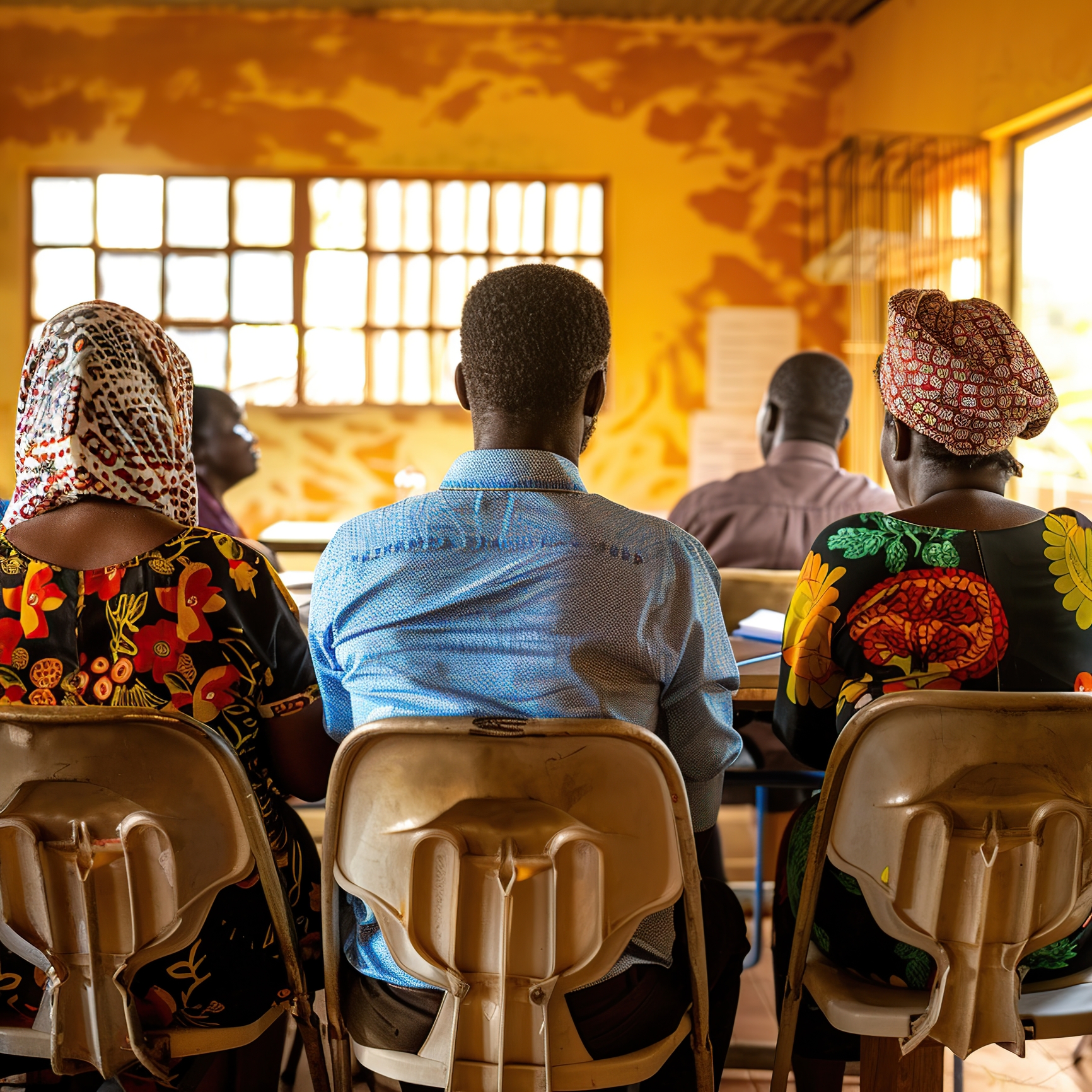
IIASA Deputy Director General Karen Lips participated in the 2025 Global Research Council Sub‑Saharan Africa Regional Meeting and Science Granting Councils Initiative Academic Symposium, focused on strengthening African leadership in global research governance. The event also highlighted the role of SSARMO in supporting institutional capacity building, regional collaboration, and African-led science and innovation across 18 participating countries.
An IIASA delegation, including Lips, visited Ghana and Ivory Coast in 2025 to strengthen African research partnerships and advance science diplomacy and sustainable development cooperation. In Ghana, Lips participated in high-level discussions linked to the Accra Declaration on Science, Technology, and Innovation and engaged with partners including EURAXESS Africa and SSARMO to expand collaboration between African and international research networks.
IIASA also partnered with African institutions on a G20 side event exploring the role of systems analysis and science diplomacy in addressing interconnected challenges across food, energy, water, and climate systems. The dialogue highlighted longstanding cooperation through initiatives such as the South Africa Systems Analysis Centre and the South African Young Scientists Summer Program, while identifying new opportunities for research cooperation, policy dialogue, and institutional partnerships across the continent.
At a satellite event of the Sustainability Research and Innovation Congress Africa, IIASA co-hosted sessions and
delivered systems analysis training focused on evidence-based policymaking, justice in resource planning, and science–society engagement. These activities strengthened regional cooperation and supported early-career researchers.
Expanding cooperation on disaster risk management
IIASA and the Kyoto University Disaster Prevention Research Institute renewed their Memorandum of Understanding, further advancing a long-standing partnership on disaster risk management and resilience research.
Both institutions are founding members of the Integrated Disaster Risk Management Society, which promotes cooperation between science, policy, and practice in addressing complex disaster risks. IIASA researchers continue to support the society through conference participation, editorial contributions, and collaborative research.
Several IIASA scientists participated in IDRiM’s 2025 annual conference in Greece, focused on disaster risk reduction in islands and remote areas, contributing to international dialogue on systemic risk and resilience. The partnership also builds on earlier cooperation through initiatives such as the Polycrisis and Systemic Risk Symposium in Beijing, co-hosted by IIASA, which explored resilience dividends and the broader economic benefits of disaster preparedness.