
In 2024, IIASA strengthened its position as a trusted science diplomacy actor by deepening engagement with international institutions and supporting evidence-based policy dialogue across global platforms.
The Institute continued its work as an observer in key intergovernmental organizations and concluded 17 new cooperation agreements with institutions from various countries, including Austria, China, Germany, Iran, South Korea, the USA, and Vietnam, as well as with the Joint Research Centre of the European Commission.
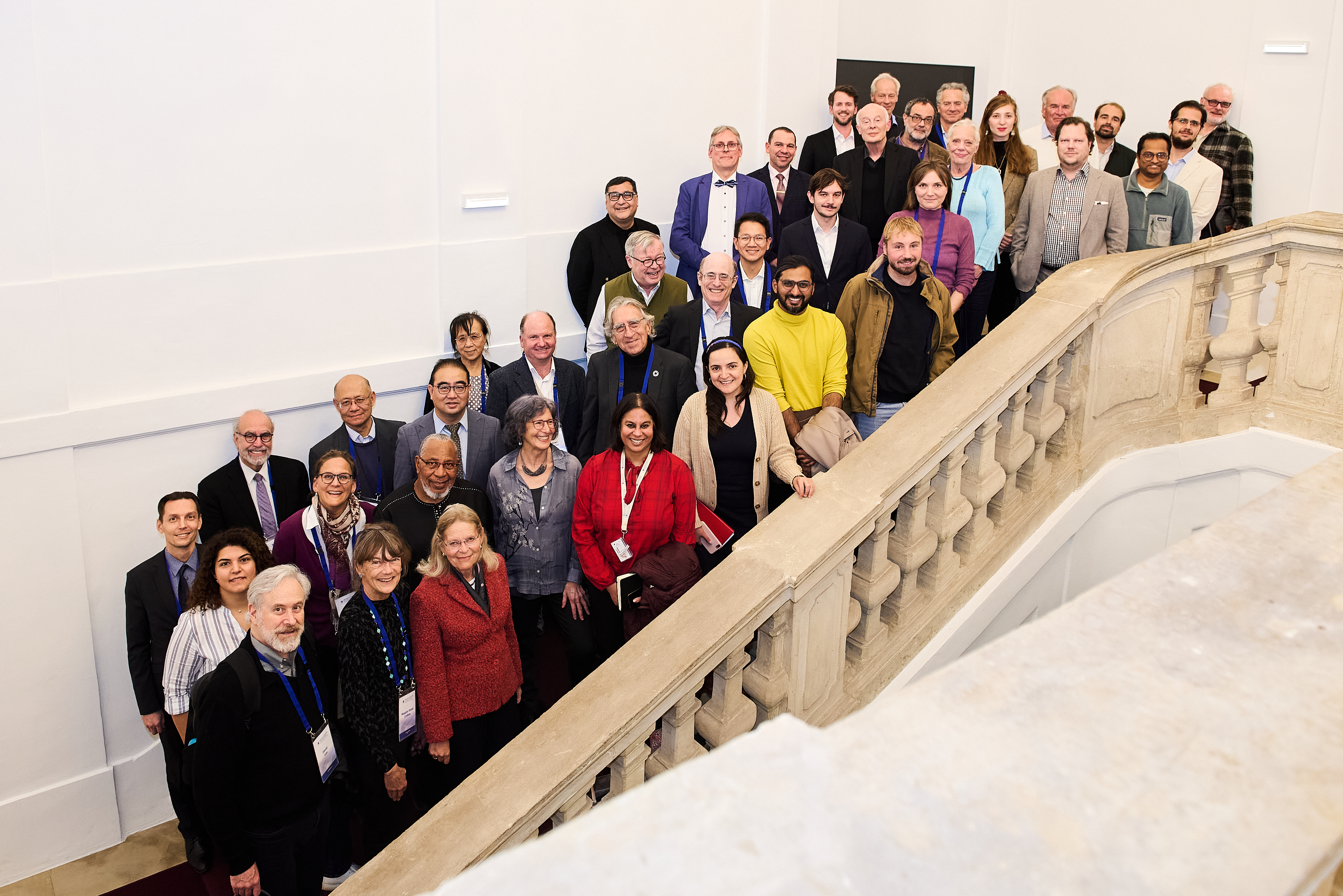
Inaugural workshop for IIASA’s Center for Science Diplomacy
In October 2024, IIASA hosted a panel discussion and a workshop in Laxenburg to introduce the concept of a Science Diplomacy Center. The center will serve as a dedicated hub for dialogue, capacity building, and policy engagement at the science-diplomacy interface.
The event brought together practitioners in diplomacy, including Ambassadors of China and the United Sates, the former Austrian Ambassador to Brazil, China, and Mongolia, as well as leading experts in systems science and negotiation analysis, to explore how IIASA’s interdisciplinary strengths and neutral international standing can contribute to the evolving field of science diplomacy. Panelists emphasized the need for evidence-informed dialogue among researchers, policymakers, and stakeholders to address today’s multifaceted global challenges.
Supporting science diplomacy and global partnerships
In March 2024, IIASA and the Diplomatic Academy of Vienna co-hosted a two-day co-creation workshop of the European Commission’s Science Diplomacy Working Group 4 (WG4). This meeting brought together more than 20 European experts to shape recommendations for a future European science diplomacy framework.
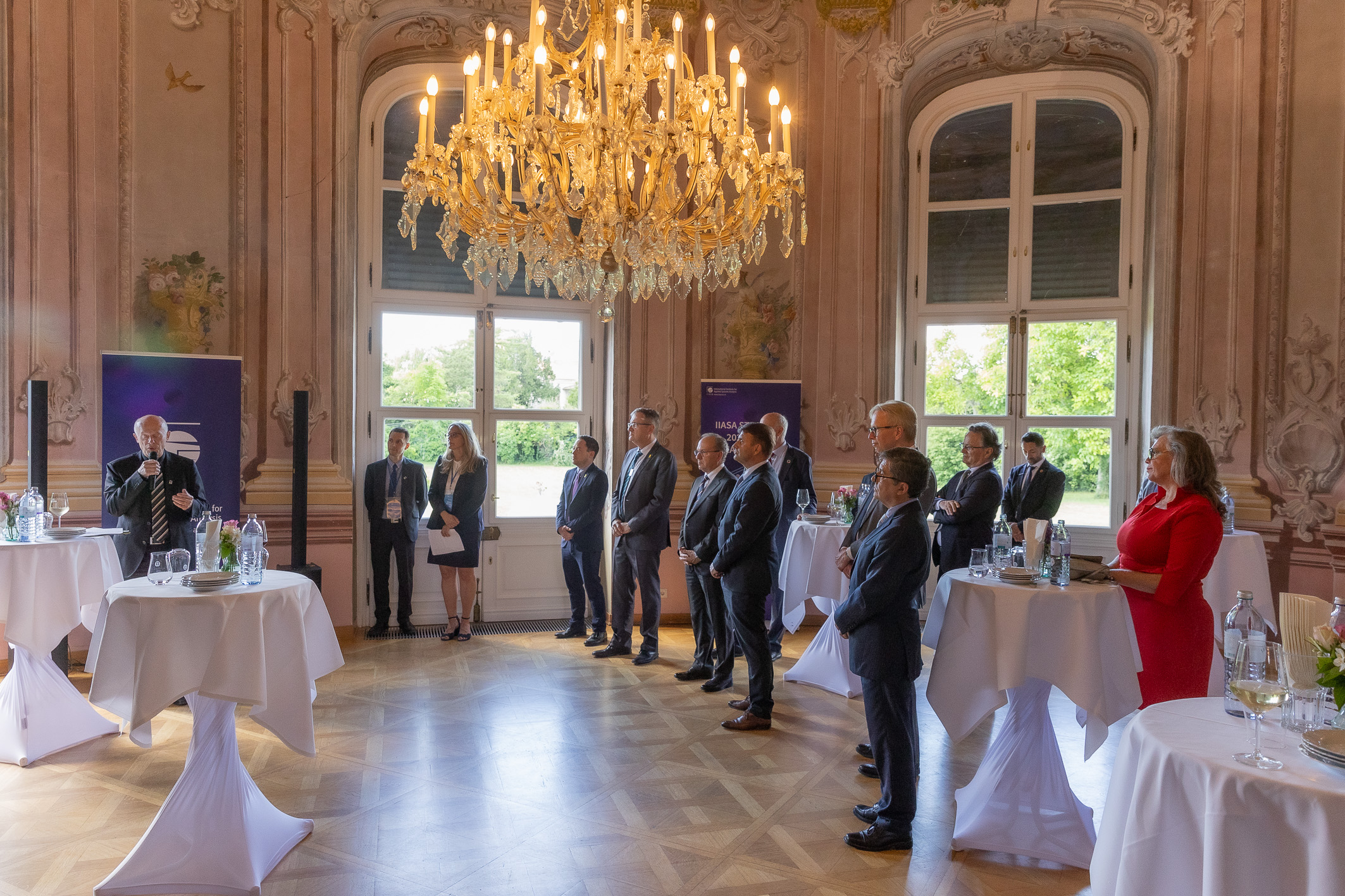
To further diplomatic engagement, IIASA hosted an Ambassador’s Welcome Reception in May, welcoming representatives from over 30 embassies in Vienna to explore new avenues for cooperation. In September, a high-level delegation of Latin American diplomats from nine countries visited IIASA, discussing shared challenges like climate change and disaster resilience, and exploring opportunities for regional partnerships. IIASA’s capacity-building programs, including the Young Scientists Summer Program (YSSP), were highlighted as pathways for greater collaboration.
Throughout the year, IIASA also welcomed several prominent diplomats, including ambassadors of China, Jordan, Korea, the United States, Vietnam, as well as Austrian Federal Minister of Education, Science, and Research, underscoring its role as a hub for science diplomacy and international cooperation.
Science for a safer world
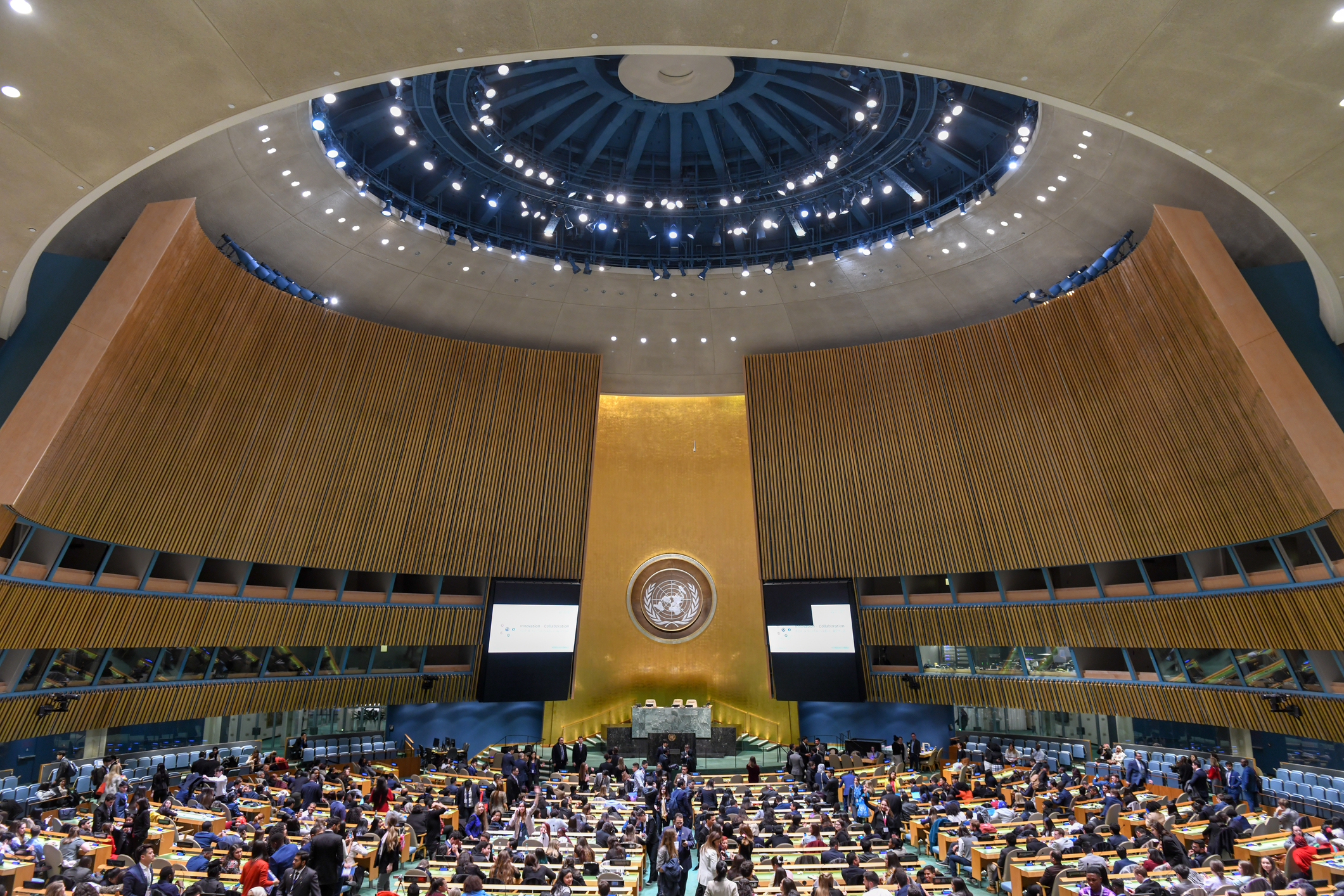
As part of its science diplomacy engagement, IIASA contributed to global policy dialogue by convening a high-level session at the Science Summit during the 79th session of the United Nations General Assembly on the future of global security in September 2024.
The session brought together distinguished global leaders and scholars to explore the need for a science-informed socio-ecological approach to international security. Special remarks were delivered by Mary Robinson, former President of Ireland and former UN High Commissioner for Human Rights. The panel featured notable voices including Ambassador Lamberto Zannier (former OSCE Secretary General), Maja Groff (Climate Governance Commission), Heide Hackmann (Stellenbosch University), Maria Ivanova (Northeastern University), Ashok Swain (Uppsala University), and Paul Ingram (University of Cambridge), alongside IIASA researchers.
The session called for redefining global security, emphasizing ecosystem resilience, human wellbeing, and multilateral cooperation as foundational pillars for 21st-century peace and stability.
Informing global climate action
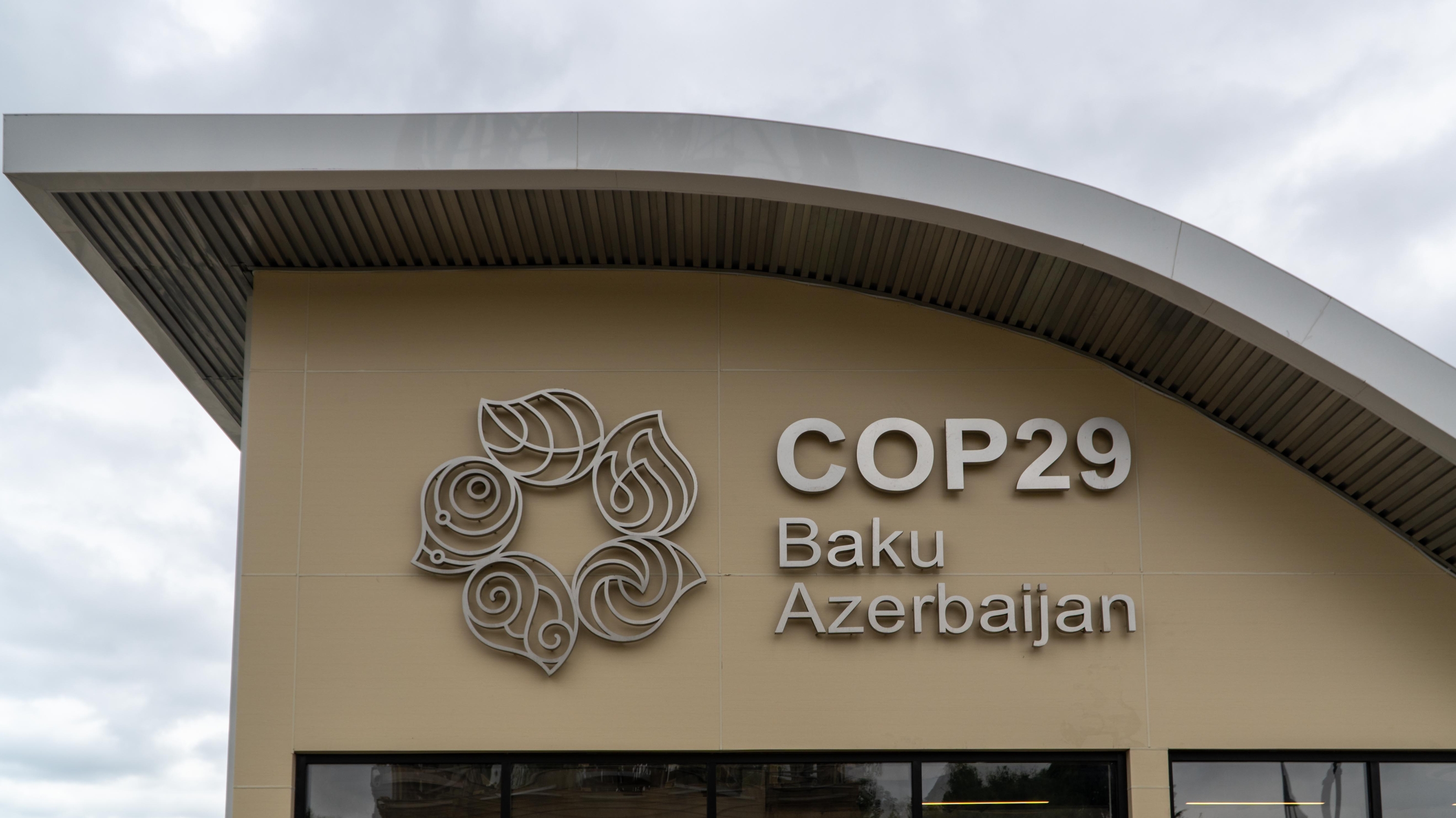
In November 2024, IIASA researchers participated in the 29th UN Climate Change Conference (COP29) in Baku, Azerbaijan, contributing to high-level policy discussions through more than a dozen official and partner-organized events. Engaging with world leaders, negotiators, and international experts, IIASA showcased its science-based insights on topics ranging from just transitions and digital innovation to equitable finance, carbon neutrality, and citizen engagement.
Through side events, keynote speeches, and other contributions, IIASA reinforced its science diplomacy mandate, providing evidence-based policy input at the heart of multilateral negotiations under the UNFCCC. IIASA experts collaborated with international institutions including UNEP, UNIDO, OECD, the European Commission, and national governments, further emphasizing the critical role of systems analysis in supporting ambitious and equitable climate solutions.
Contributing to the G20 global security discourse
In 2024, IIASA experts contributed to the Think20 (T20) process – an official engagement group of the G20 – through the publication of a policy brief titled, Toward a New Global Security Paradigm. The paper was produced for Task Force 6 on Strengthening Multilateralism and Global Governance under the Brazilian G20 Presidency.
The brief argues for a shift away from narrow military-centered definitions of security toward a science-informed socio-ecological security framework, capable of addressing 21st-century threats such as climate change, biodiversity loss, and global inequality. Recommendations include greater public participation in governance, green finance, anticipatory risk management, and G20 leadership.