


IIASA recently hosted an exploratory workshop titled, Together for water: Fostering collaboration in the Middle East and North Africa (MENA). The two-day event brought together around 50 representatives from international organizations, civil society organizations, research institutions, and diplomatic missions to explore new pathways for transboundary collaboration on water challenges across the region.
MENA is the most water-scarce region in the world, with the majority of its people and economic activity located in areas of severe water stress. Low tariffs and high subsidies have encouraged overuse, while complex interconnections between the water-food-energy nexus, climate change, and fragile political conditions complicate management. Major shared basins such as the Nile, Tigris–Euphrates, and Jordan Rivers illustrate how scarcity can heighten tensions across borders. As highlighted by global reports, ensuring water security is essential for peace and prosperity in the region, demanding integrated management, cross-border cooperation, and innovative, sustainable solutions.
Building on IIASA’s tradition of using science as a neutral bridge between nations, the workshop examined how science diplomacy can foster peace, cooperation, and sustainable water management amid the growing pressures of the Anthropocene. The workshop benefitted from the attendance of the UN Secretary General’s Special Envoy on Water, H.E. Retno Marsudi, who provided strategic visions for participants to engage in structured dialogues and breakout sessions addressing technology, finance, governance, and cross-sectoral management, identifying opportunities for joint initiatives and long-term collaboration.
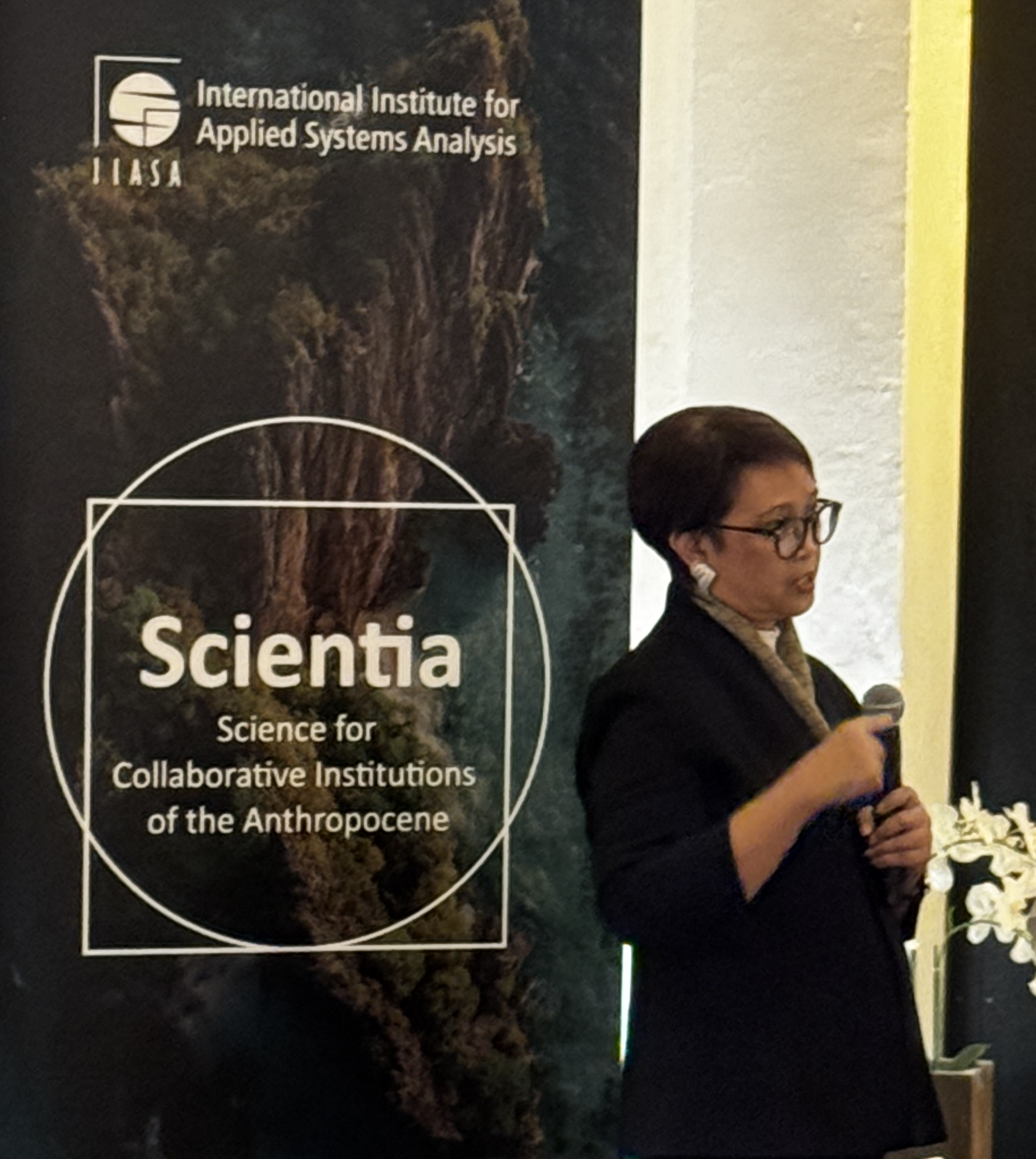 © IIASA
UN Secretary General Special Envoy on Water, H.E. Retno Marsudi speaking at the event.
“This workshop demonstrated the enormous potential of science diplomacy,” says IIASA Science Diplomacy Facilitator, David Nusbaum. “Scientific and evidence-based approaches enhance the likelihood of transforming challenges into opportunities for peace. This has been thoroughly reflected in the workshop’s ability in allowing dialogues to take place among experts, ambassadors and other prominent MENA region representatives including from countries that are currently in deep conflict, which is almost unprecedented in the region.”
The event’s discussions highlighted the urgent need for holistic and inclusive approaches that integrate technical solutions, social and institutional dynamics, and cross-sectoral governance. The breakout sessions generated initial ideas for novel water cooperation frameworks focused on key transboundary basins such as the Nile, Jordan, Tigris–Euphrates, and Maghreb regions. Participants also agreed on follow-up actions that will contribute to the UN Water Conference in 2026 and the World Water Forum in 2027.
“Water knows no borders. Its management requires trust, transparency, and the courage to engage across divides. The exchange of perspectives during these two days reaffirmed the power of dialogue grounded in science,” noted Ping Yowargana, a senior research scholar in the Agriculture, Forestry, and Ecosystem Services Research Group of the IIASA Biodiversity and Natural Resources Program. “By combining regional knowledge with systemic analysis, we can design collaborations that are both innovative and resilient to future uncertainties.”
The workshop underscored that water security and regional stability are deeply interconnected. Participants emphasized that cooperative approaches to managing shared water resources can serve as entry points for building confidence, strengthening institutions, and advancing shared prosperity across the MENA region.
IIASA Director General Hans Joachim (John) Schellnhuber reflected, “In this new age of the Anthropocene, diplomacy must be informed by science, and science must engage with diplomacy. Together for Water is not only about sharing a resource – it is about sharing responsibility to transform our common future.”
The workshop, and its year-long preparation, which was facilitated with the great support of Dr. Boris Mints and the Boris Mints Institute, Tel Aviv University, and the Federal Ministry of Foreign Affairs (BMEIA), Austria, also serves as an important proof-of-concept for ongoing efforts to establish IIASA’s center for science diplomacy. The center will aim to leverage science in developing novel collaborations – such as a track-two diplomacy network on water issues in the MENA region – connecting scientists, policymakers, and practitioners committed to advancing evidence-based collaboration for sustainable development and peace.
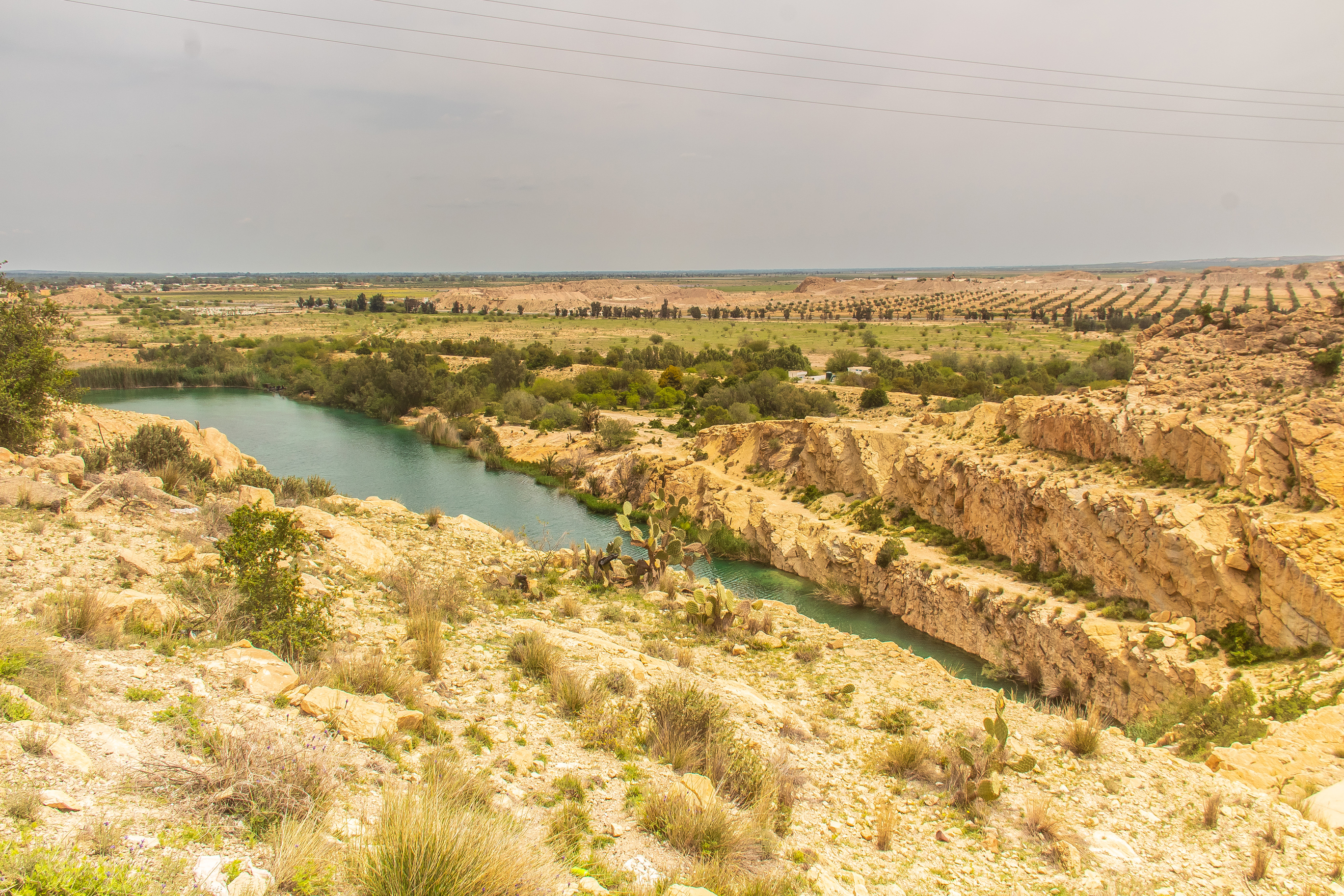 © Khaled Ladjimi | Dreamstime
The El Haouareb Dam in Kairouan, Tunisia, North Africa.
News
18 May 2026
African Human Capital Data Sheet 2026
The African Human Capital Data Sheet 2026: Past Trends, Skills, and Future Pathways presents new evidence on population trends by level of education, skills, and demographic transitions across the African continent.
19 December 2025
Building momentum for regional science diplomacy
An IIASA delegation visited Egypt from 11–12 December 2025 including Deputy Director General Karen Lips and IIASA Water Security Research Group Leader, Taher Kahil, who participated in the Innovation Research Commercialization Expo (IRC 2025) and met with representatives of Egypt’s Institute of National Planning.

22 December 2021
Launch of the North Africa Applied Systems Analysis Centre
In collaboration with the Egyptian Academy of Scientific Research and Technology and the Institute of National Planning, IIASA is proud to announce the launch of the North Africa Applied Systems Analysis Center (NAASAC).