

The FRAMEwork project has unveiled its updated knowledge and action platform, Recodo, enhancing its features and design to better serve stakeholders in agrobiodiversity. Developed by researchers in the IIASA Novel Data Ecosystems for Sustainability Research Group and other project partners, Recodo connects and empowers diverse actors and audiences, including Farmer Clusters and other agrobiodiversity stakeholders.
Recodo is a European platform dedicated to supporting the FRAMEwork Advanced Farmer Cluster Network. It provides tools to foster the creation and sustainment of new Farmer Clusters. Farmer Clusters bring farmers and land managers together, recognizing that individual farm businesses can only achieve so much on their own. By collaborating and working with the guidance of an advisor or “facilitator”, these groups can make meaningful progress on sustainability priorities while maximizing benefits for both their businesses and the surrounding landscapes.
The updated platform offers an expanded library of open-access resources, and tools tailored for biodiversity-friendly farming, biodiversity monitoring, and citizen science. Farmer Cluster actors can create profiles, share stories, and access firsthand accounts and media from across Europe, providing a deeper understanding of agrobiodiversity in action.
Why Recodo matters
“Agrobiodiversity is key to sustainable food production, ecological restoration, and environmental resilience. Recodo helps to provide important information for those driving agriculture's green transition. The platform offers accessible tools and resources, empowering people working for agrobiodiversity in their own communities,” explains IIASA researcher Gerid Hager, who is leading the Citizen Observatory and Information Hub work package of the FRAMEwork project.
Recodo provides an essential hub for stakeholders in agrobiodiversity, complementing local activities and fostering broader networks. The platform enables:
- Knowledge and resource sharing: users can join the network, create profiles, and share their stories. Farmer clusters can showcase their work, while others can access open-access resources about biodiversity-friendly farming, monitoring, and citizen science.
- Accessibility: resources are filterable by audience, ensuring tailored accessibility for diverse users.
- Visibility and collaboration: Recodo helps clusters gain visibility, attract collaborators, and connect with local communities.
Real-life impact
An example of Recodo’s impact is the Mostviertel farmer cluster in Austria, a participant in the project and the Advanced Farmer Cluster Network. Through Recodo, the cluster has gained greater visibility for its activities and established connections with collaborators and local communities.
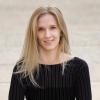
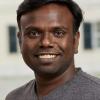
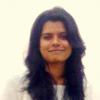
The Recodo update, co-developed by IIASA’s FRAMEwork team members Gerid Hager, Lindsay Crocket, Anto Subash, Natalia Pasichniak, and Monica Shishodia with Taskscape Associates Ltd and many other partners in FRAMEwork, reinforce Recodo as a comprehensive platform for addressing agrobiodiversity challenges and advancing sustainable practices across different actor groups.
Visit Recodo to learn more.
News
15 October 2026
IIASA strengthens science diplomacy ties at UNGA in New York
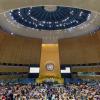
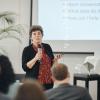
IIASA Science Diplomacy Director and Head of Communications and External Relations Susie Kitchens represented the Institute at the United Nations General Assembly (UNGA) High-level Week and Science Summit in New York in September, contributing to discussions on how science and international cooperation can help address shared global challenges.
13 October 2026
Connecting disciplines and inspiring new ideas with the Environment and Climate Research Hub
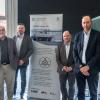
IIASA Deputy Director General Karen Lips delivered a keynote at the University of Vienna's recent Environment and Climate Research Hub (ECH) Research Frontiers Workshop in Bad Vöslau, Austria, emphasizing the importance of interdisciplinary collaboration in addressing complex environmental and climate challenges.
12 October 2026
Connecting science across borders: IIASA Committee meets University of Salzburg
How can universities and international research organisations work together to address the complex challenges of a changing world? This question shaped a full day of scientific exchange at the University of Salzburg on 6 October, when the Austrian IIASA Committee met with members of the University community to discuss research, collaboration and opportunities for researchers and students.