
Finland and Sweden celebrate 50 years of IIASA membership in 2026, while Norway marks 30. What has sustained these Nordic partnerships for so long, and what makes them valuable today?
In the 1970s, Scandinavian lakes were becoming more acidic and forests were showing signs of damage. Sulfur dioxide from energy production and heavy industry, including sources in the United Kingdom and continental Europe, traveled across national borders with prevailing winds before returning as acid rain and damaging ecosystems across the region.
Finding an effective response required evidence from across Europe. Governments needed to know where emissions originated, how pollution traveled, where it caused damage, and which measures would deliver the greatest benefits.
At IIASA, researchers combined environmental data, economic analysis, and computer modeling to answer these questions. The resulting RAINS model allowed governments to compare the costs and effects of different emission-reduction strategies. It also introduced a new evidence-based approach to international negotiations by helping countries assess the consequences of different emission ceilings before agreeing on them.
RAINS informed negotiations under the UN Convention on Long-range Transboundary Air Pollution and helped shape the 1994 Oslo Protocol on sulfur emissions and the 1999 Gothenburg Protocol on acidification, eutrophication, and ground-level ozone. Between 1990 and 2009, sulfur dioxide emissions in Europe fell by around 70%, accompanied by clear environmental recovery from acidification.
The success of the acid rain response demonstrated what IIASA offers strong national research systems: independent analysis, shared tools, and a place to work across borders. Finland and Sweden joined IIASA in 1976, followed by Norway in 1996.
 © Asphoto777 | Dreamstime.com
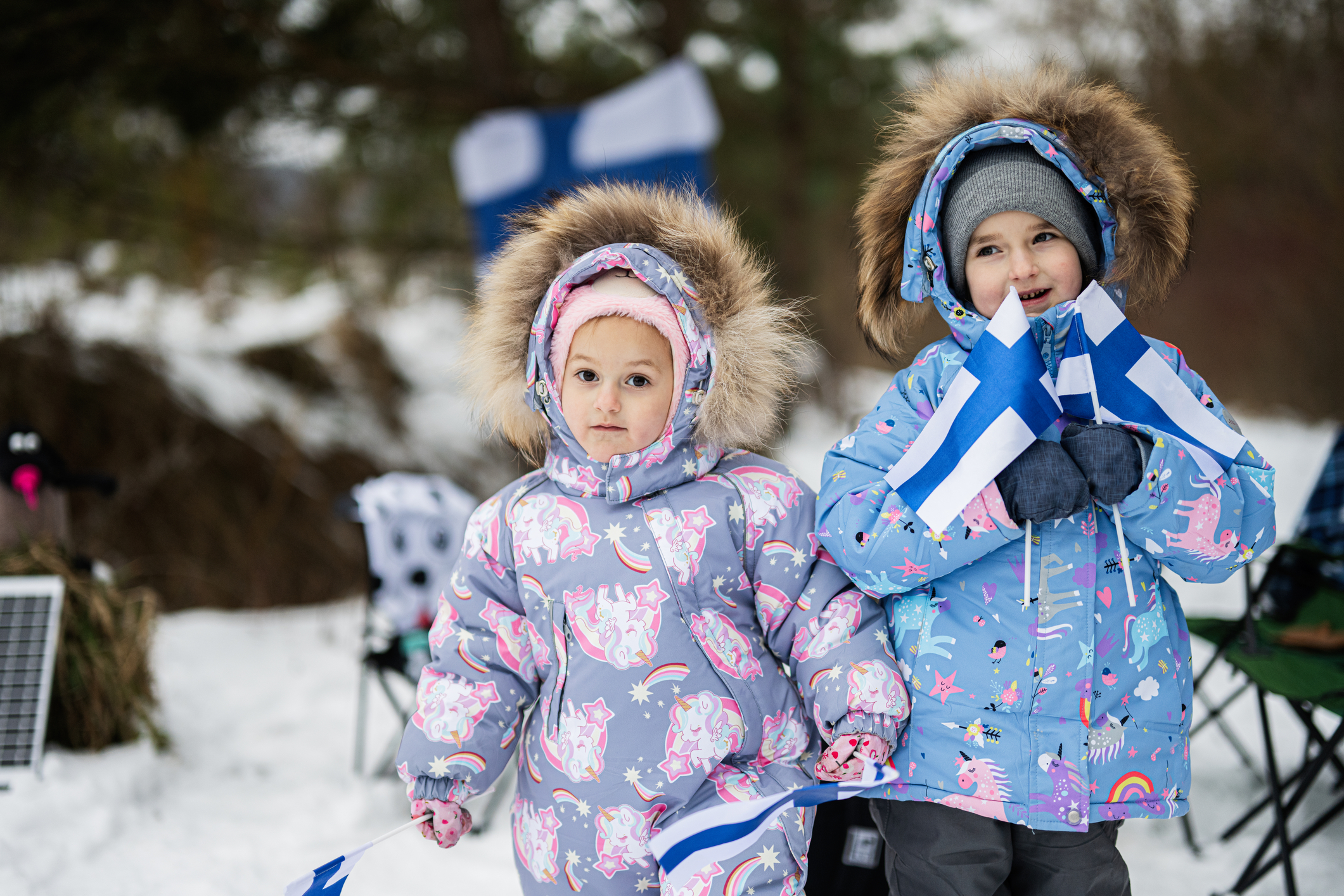
Finland: Understanding the Finns of the future
In Finland, IIASA research is helping the country prepare for major demographic change.
How will education, migration, and integration shape Finnish society over the coming decades? This question is at the heart of MigScene, a consortium led by IIASA Distinguished Emeritus Research Scholar Wolfgang Lutz.
With Finland’s population aging, MigScene examines how different scenarios could affect its workforce, public services, and social cohesion. Using microsimulation, register- and survey data, and machine learning, researchers are developing projections of the country’s population from 2025 to 2070.
“It is essential to understand with scientific tools who the Finns of the future will be, what their capabilities will be, and how their wellbeing will be affected,” says Lutz.
The consortium includes Väestöliitto’s Population Research Institute, the universities of Turku and Helsinki, Statistics Finland, several ministries, and the cities of Helsinki, Turku, and Tampere. Their involvement gives the research a direct route into national and local decisions on education, integration, labor, and public services.
Beyond MigScene, IIASA research is improving how countries understand migration and population change. A new global dataset developed by IIASA researchers Dilek Yildiz and Guy Abel estimates immigration flows for 199 countries by age, sex, and education, supporting better workforce and public-service planning.
In a recent blog, Olli Varis, IIASA Council Member representing Finland, and National Member Organization Secretary Johanna Hakala highlighted the value of IIASA’s international projects, networks, and training. For Finnish researchers, they wrote, IIASA offers “access to the core of international policy support” and opportunities to build consortia with leading experts.
 © Makkis | Dreamstime.com
Sweden: From forest science to shared action
Sweden’s long-standing engagement with IIASA reflects a shared commitment to managing forests and natural resources through science-based decision making.
The Silviculture research program focuses on Sweden’s boreal forests, which support the economy, store carbon, and provide vital habitats. IIASA contributes forest modeling and systems analysis to show how ecological processes and management choices affect forest growth. The research explores how forestry can respond to natural differences within landscapes instead of treating large areas uniformly. The aim is to translate science into forestry practices that balance productivity, biodiversity, and carbon storage.
This connection between evidence and action extends to international biodiversity policy. Sweden’s IIASA Council Member, Magnus Tannerfeldt, is also a co-chair of Biodiversa+, the European Biodiversity Partnership. At its 2024 Science-Policy Forum, IIASA contributed expertise on coordinating biodiversity observations and improving reporting across Europe. Tannerfeldt has emphasized the importance of aligning biodiversity monitoring at national, regional, and global levels so that it can better support policymaking.
Membership also supports the next generation of researchers. FORMAS, Sweden’s IIASA National Member Organization, hosted an IIASA Connect webinar introducing prospective applicants to the Young Scientists Summer Program, with former Swedish participants sharing their experiences. The platform helps researchers and alumni maintain international networks and develop new collaborations.
 © Alyssand | Dreamstime.com
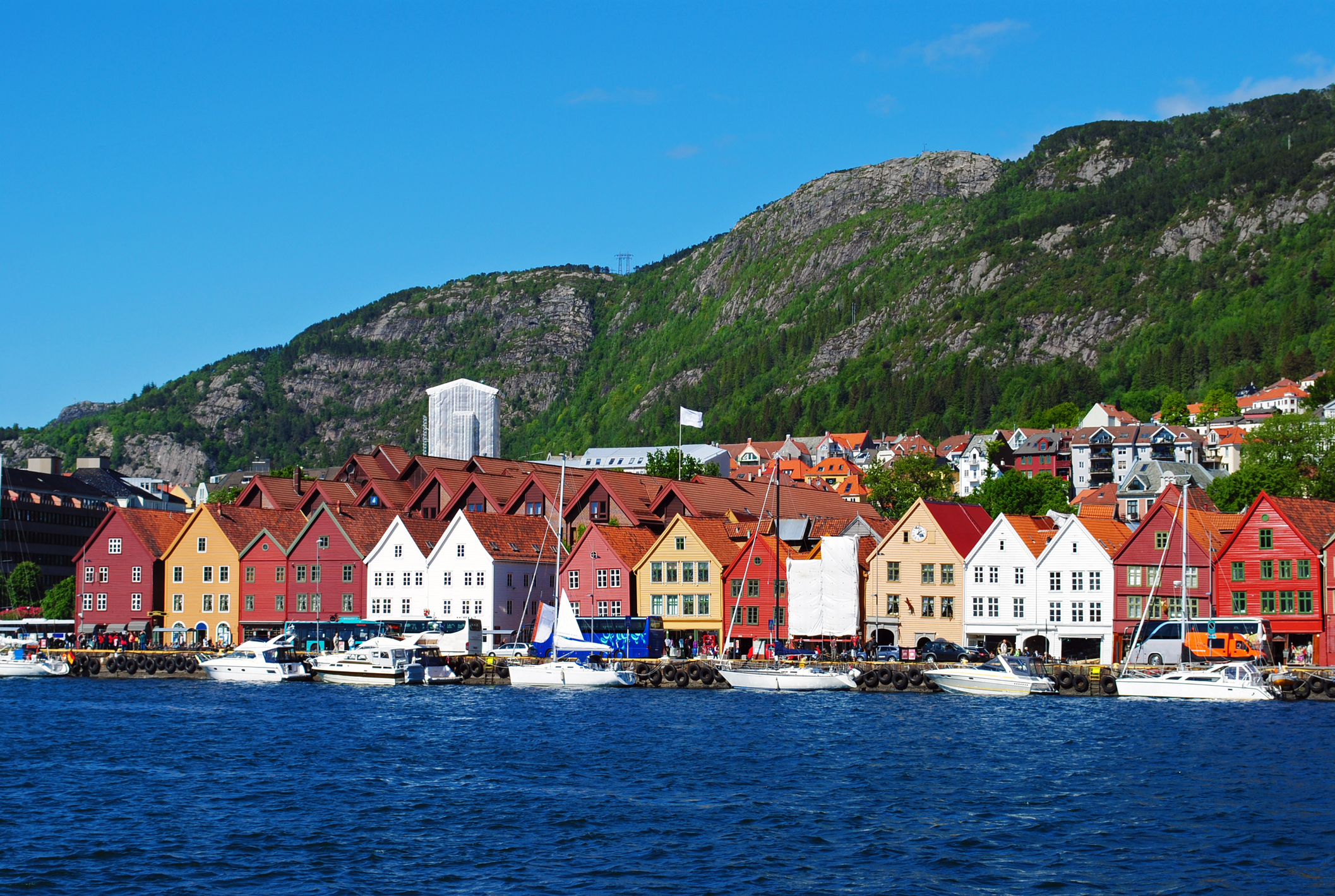
Norway: Managing risks that reinforce one another
Norway’s relationship with IIASA applies systems research to challenges that cross sectors and borders, from European air pollution to climate and nature risks within Norwegian communities.
IIASA and MET Norway developed scenarios that supported the revision of the EU Ambient Air Quality Directive. Today, the GAINS model helps governments assess how policies in transport, energy, industry, and agriculture can reduce air pollution and greenhouse gas emissions together.
That same focus on connected risks now underpins the RISKREACT project, which examines how climate change, biodiversity loss, and social vulnerability interact in Norwegian ecosystems and communities.
Through case studies in Innlandet County and Bergen Municipality, researchers are developing a framework for assessing policy options, management approaches, and nature-based solutions. IIASA experts Thomas Schinko and Juliette Martin are contributing expertise in systemic risk assessment to identify barriers to adaptation and opportunities for effective policy intervention.
Tarjei Nødtvedt Malme of the Research Council of Norway, the IIASA Council Member representing Norway, sees international cooperation as essential to moving research into practice.
“Research and innovation are key to succeeding in the circular, green, and digital transition,” he has previously noted. “We must collaborate on scientific knowledge production, but especially on initiatives that promote knowledge exchange, translate knowledge into action, and accelerate the pace of implementing new technologies."
Stronger research through international cooperation
Nordic countries already have outstanding universities, research institutes, and public data. IIASA connects these national strengths with international models, expertise, research consortia, and policy discussions that extend far beyond one country.
It also creates lasting relationships. Early-career researchers build international networks that often continue long after their time at IIASA. Scientists find partners for new projects. Governments gain evidence that places national choices within a European and global context.
Together, Finland, Sweden, and Norway represent 130 years of partnership with IIASA.
“The experiences of Finland, Sweden and Norway over decades of partnership with IIASA, shows how national scientific excellence can gain greater reach through international systems analysis, policy engagement, and science diplomacy. Membership of the IIASA community has enabled these nordic countries to respond effectively to shared cross-border issues, and will endure into the future and a new set of global challenges,” concludes Susie Kitchens, IIASA Science Diplomacy Director and Head of Communications and External Relations.