
In 2024, the Population and Just Societies Program focused on addressing the questions surrounding the concepts of justice, inclusion, and human wellbeing across diverse social and demographic contexts.
From launching a new applied justice framework to modeling population capacity and analyzing internal climate migration, the program tackled urgent global challenges at the intersection of equity, demography, and policy. With a strong focus on empowering decision-makers through robust, policy-relevant insights, researchers explored how environmental stressors shape migration patterns, assessed strategies to boost resilience in health systems, and evaluated pathways to enhance human capital.
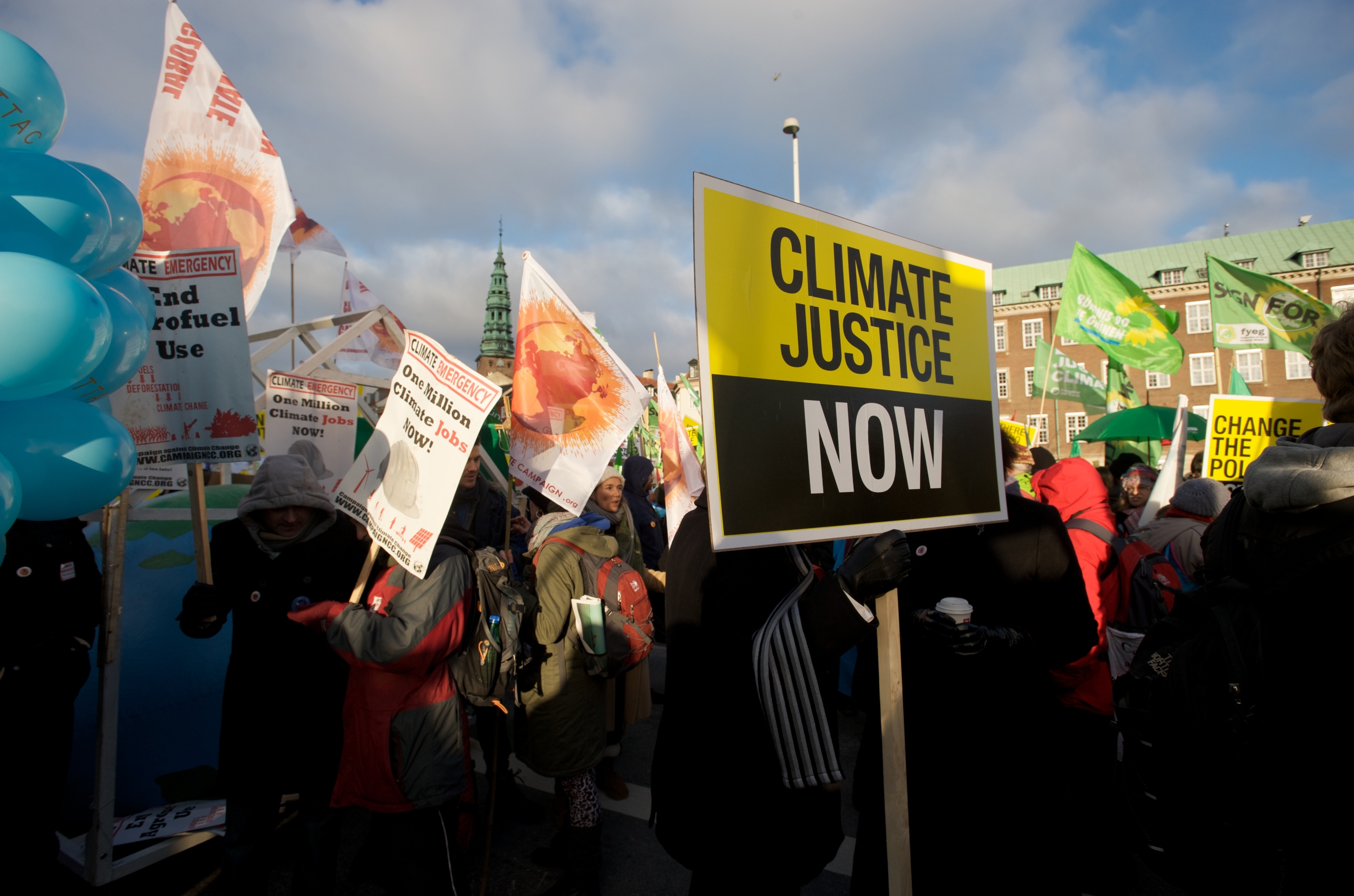
Introducing IIASA’s Applied Justice Taxonomy and Assessment (AJUST) Framework
Led by the Equity and Justice Research Group, researchers from across the Institute finalized and launched the first iteration of the AJUST Framework in 2024. It provides an overview of the multiple aspects and layers of justice and how they can be considered systematically in research and policy.
Injustices create barriers for effectively tackling interconnected global grand challenges, such as the climate and biodiversity crises.
The AJUST Framework provides researchers and policymakers with clear guidelines to systematically consider justice in its multiple aspects and thus to proactively identify potential barriers. The framework is applicable across disciplines, powerful in terms of capacity to express a variety of justice ideas, and modular so researchers can select and deploy the aspects that are most appropriate or useful. It is simple and flexible enough to allow for context-specific applications.
“Insufficient attention to perceptions of justice slows down progress with regard to climate action and other major policy issues. IIASA puts justice at the heart of its research strategy and with this co-designed framework, we want to support both future research and policymaking to facilitate a just transition,” says IIASA researcher Thomas Schinko.
The framework is closely linked to the recently completed fairSTREAM and JustTrans4All strategic initiatives, which put an emphasis on different aspects of justice, the former on procedural justice through knowledge co-production, and the latter on distributive justice in climate mitigation scenarios.
The framework is available on the IIASA website and as an IIASA working paper.
Further info:
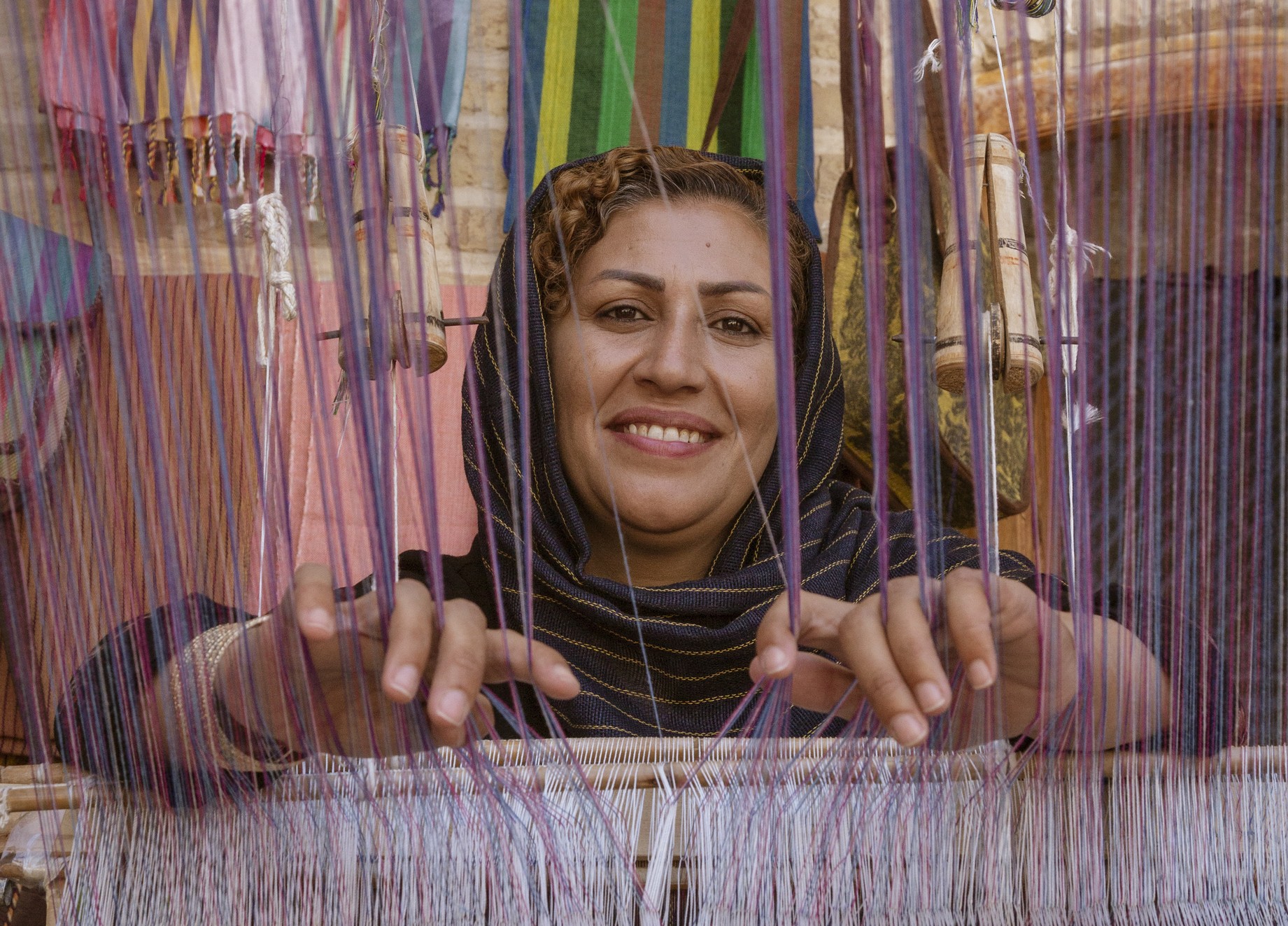
Measuring productive capacity of populations around the world
IIASA scientists developed new data and models to measure populations’ productive potential. These metrics enable detailed and accurate analysis of demographic trends and human capital.
Researchers introduced a standardized and internationally comparable measure called the Productivity-Weighted Labor Force (PWLF). This metric accounts for both the educational attainment of the working-age population and the quality of education systems. Using this approach, the study projected PWLF values for China, India, the European Union, and the United States from 2020 to 2100.
Building on the same conceptual foundations, a second study estimated the Human Capital Weighted Population (HCWP) for 185 countries between 1970 and 2100. While the PWLF focuses on the population in the labor force, the HCWP summarizes the productive potential of the entire population, incorporating both education levels and educational quality to enable cross-national and temporal comparisons.
A third study applied these metrics in a case study on Iran, a country facing rapid population aging. Using a microsimulation model, the authors explicitly consider the comparison between raising fertility and increasing female economic empowerment to offset population aging in a setting characterized by an overt pronatalist policy system. The analysis made explicit use of the PWLF metric to evaluate how better integrating educated women into the labor market could enhance the country's productive capacity. The findings suggest that increasing female economic participation is a more effective strategy than fertility-focused approaches, even in a low-fertility context where the government's priority is usually to implement strong pronatalist policies.
Further info:
https://pure.iiasa.ac.at/19551
https://pure.iiasa.ac.at/19812
https://pure.iiasa.ac.at/19751
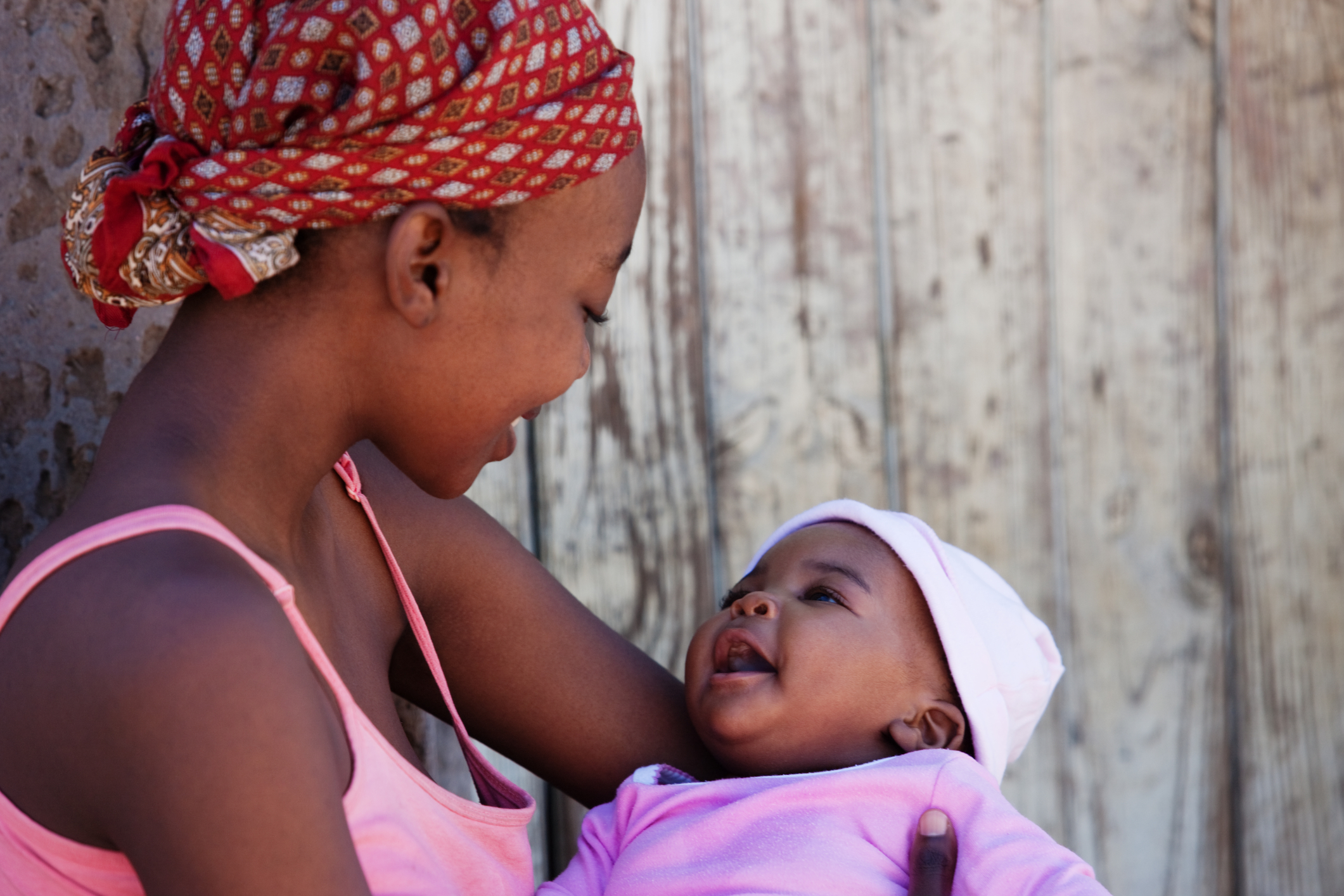
Developing climate-related health system strategies for Brazil and Zambia
IIASA researchers partnered with scientists from Brazil, Zambia, the UK, Sweden, and Uganda to explore the effects of floods and heatwaves on maternal and child healthcare.
IIASA researchers are collaborating on the ambitious REACH project, which aims to understand the vulnerabilities and sources of resilience of the maternal and child health system to floods and heat in Zambia and Brazil, and to identify, evaluate, and cost strategies to enhance climate resilience.
The project team introduced the project to policy stakeholders at events in Brazil and Zambia, and a number of stakeholder engagement activities are underway to help shape resilient health systems for the future.
In November 2024, for example, Brazilian researchers travelled to Zambia to learn about systems mapping methods. In addition, training sessions were held in preparation for fieldwork activities in Zambia. This involved interviews, focus group discussions, and group model-building workshops with diverse stakeholders at the community, health facility, and district levels. Data collected through these activities will serve as the basis for a hybrid System Dynamics and Agent Based Model, which will be developed to support local-level decision making.
The project is led by the London School of Hygiene & Tropical Medicine in collaboration with IIASA, Lund University, the University of Brasilia, FIOCRUZ, and the University of Zambia, and is supported by the Economic and Social Research Council (ESRC).
Further info:
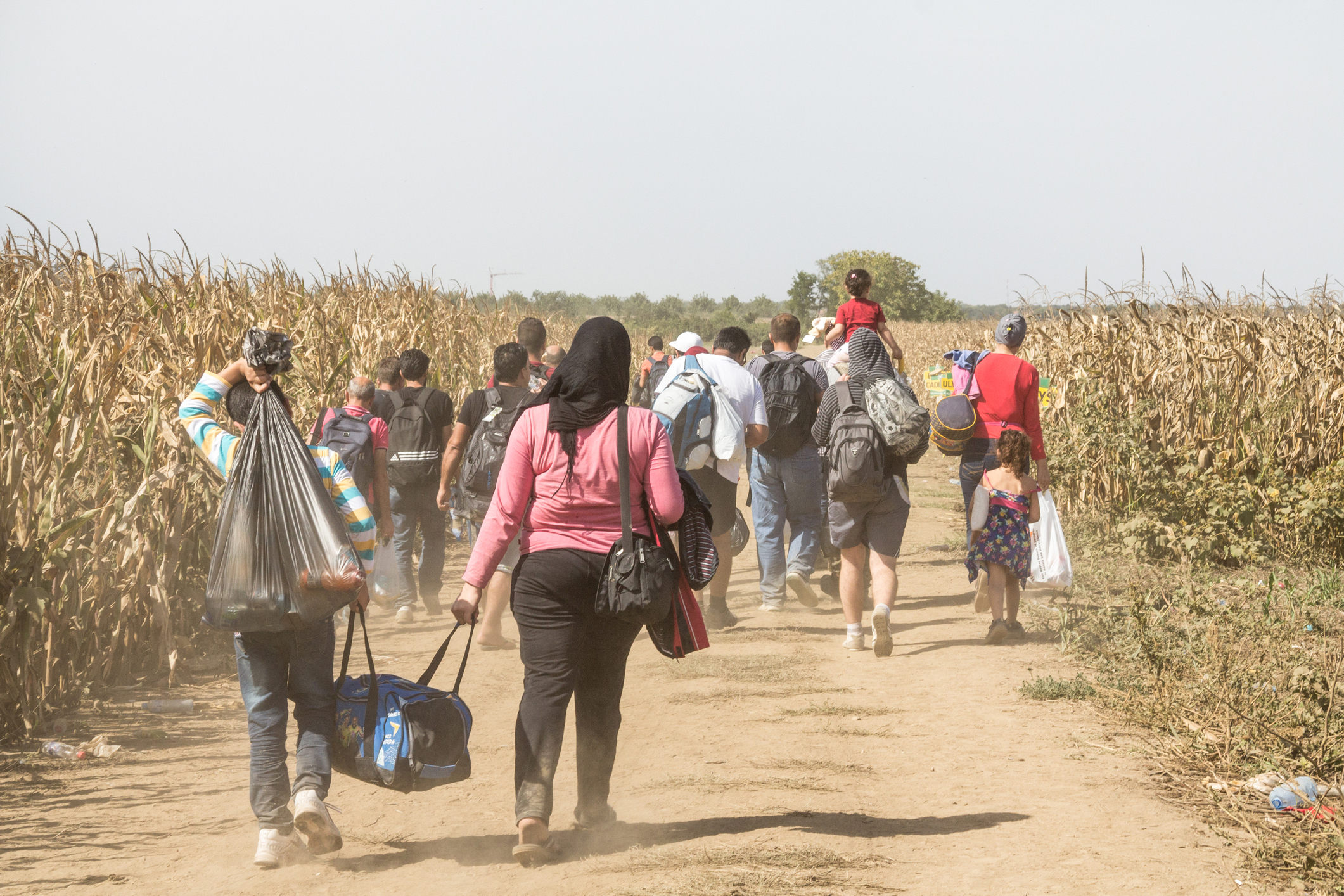
Exploring impacts of climate change on internal migration
IIASA researchers conducted the first global assessment of how environmental stressors affect migration within national borders.
As the effects of climate change grow in magnitude, more people will migrate to seek better living conditions, whether internationally or within national borders. Using census microdata from 72 countries spanning 1960-2016, IIASA scientists conducted the first worldwide assessment of how environmental stress affects internal migration.
The results show that increased drought and aridity have a significant impact on internal migration, particularly in some areas of Africa and the Middle East, South America, South Asia, and Southern Europe.
“Our analysis shows that internal migration increases in regions affected by drought and aridification, especially in hyper-arid and arid regions,” explains IIASA researcher Roman Hoffmann, who led the study. “The effects are most pronounced in agriculturally dependent and rural areas, where livelihoods are vulnerable to changing climate conditions. Many move to urban areas, contributing to the accelerated urbanization trends.”
While overall climatic effects on migration are stronger in richer countries, researchers observed higher out-migration from poorer towards wealthier regions within countries. Furthermore, age and education groups respond differently. Especially in low-income countries, it is typically the better educated, working age population that migrates in response to climatic stress.
The authors emphasized the importance of supporting vulnerable populations through policies that not only promote livelihood diversification, social safety nets, and resilience-building, but also uphold the right to move, ensuring safe and voluntary mobility when desirable or necessary.
Further info: