

The Intergovernmental Panel on Climate Change (IPCC) has announced the author teams for its Seventh Assessment Report (AR7). With three Coordinating Lead Authors and eleven Lead Authors across all three IPCC Working Groups, IIASA experts will play a key part in delivering the best available knowledge to guide effective, equitable, and urgently needed climate action over the coming decade.
Pioneering IIASA research into climate change in the 1970s and 1980s played a key role in the establishment of the IPCC in 1988. Since then, IIASA scientists have consistently served as authors and reviewers across all IPCC assessment cycles, helping to shape and strengthen the scientific foundation of the reports. IIASA is continuing this tradition, with many of its researchers once again appointed to key author teams across all three Working Groups of the upcoming AR7 assessment cycle.
The selection of authors spans those with decades of experience writing IPCC reports to early career researchers being selected as Lead Authors for the first time. The IPCC also illustrates how global collaboration on challenges like climate change benefits everyone: the AR7 author teams bring together scientists from across the world, including many from IIASA member countries including Austria, Japan, and Egypt, as well as the Global South, with authors from India, Brazil, South Africa, Ghana, and Nigeria, ensuring that diverse regional perspectives inform the assessment.
 © Marina Andrijevic
Marina Andrijevic
Working Group I – The Physical Science Basis
Carl-Friedrich Schleussner, Lead Author, Chapter 9: Earth system responses under pathways towards temperature stabilization, including overshoot pathways
As a leading scholar on climate change overshoot, Schleussner, who leads the Integrated Climate Impacts Research Group at IIASA, will contribute to the assessment of how the Earth system may respond to different mitigation pathways, including the risks and consequences of temporarily exceeding temperature thresholds before stabilizing. The authors will bring together the latest physical climate science to inform decisions about global carbon budgets, resilience of natural systems, and the implications of overshoot for long-term climate stability.
Working Group II – Impacts, Adaptation, and Vulnerability
Marina Andrijevic, Lead Author, Chapter 4: Adaptation options and conditions for accelerating action
This chapter will examine futures of adaptation, the effectiveness of different adaptation options, and the enabling conditions that can accelerate their implementation across regions and sectors. Building on her research linking adaptation scholarship with scenario-based analyses, Andrijevic, a researcher in the IIASA Energy, Climate, and Environment Program, will contribute to synthesizing the state of knowledge and delivering policy-relevant insights to support climate-resilient development.
 © IIASA
Shonali Pachauri
Working Group III – Mitigation of Climate Change
Jarmo Kikstra and Joeri Rogelj, Lead Authors, Chapter 3: Projected futures in the context of sustainable development and climate change
The authors will focus on assessing long-term global mitigation pathways, the interactions between emissions reductions and providing decent living standards for all, and post-growth approaches. This chapter will integrate the latest findings from physical climate science to provide a consistent view of what different mitigation strategies mean for climate outcomes, equity, and sustainable development.
Shonali Pachauri and Narasimha Rao, Lead Authors, Chapter 4: Sustainable development and mitigation
Pachauri and Rao will bring their rich experience at the nexus of climate action and development to the chapter that will assess interactions of climate mitigation with equity, justice, livelihoods, economies, and ecosystems. This chapter will also address enabling factors like technology, finance, and cooperation, and examine the links between mitigation, adaptation, and broader development objectives such as poverty reduction and higher living standards.
 © Silveri | IIASA
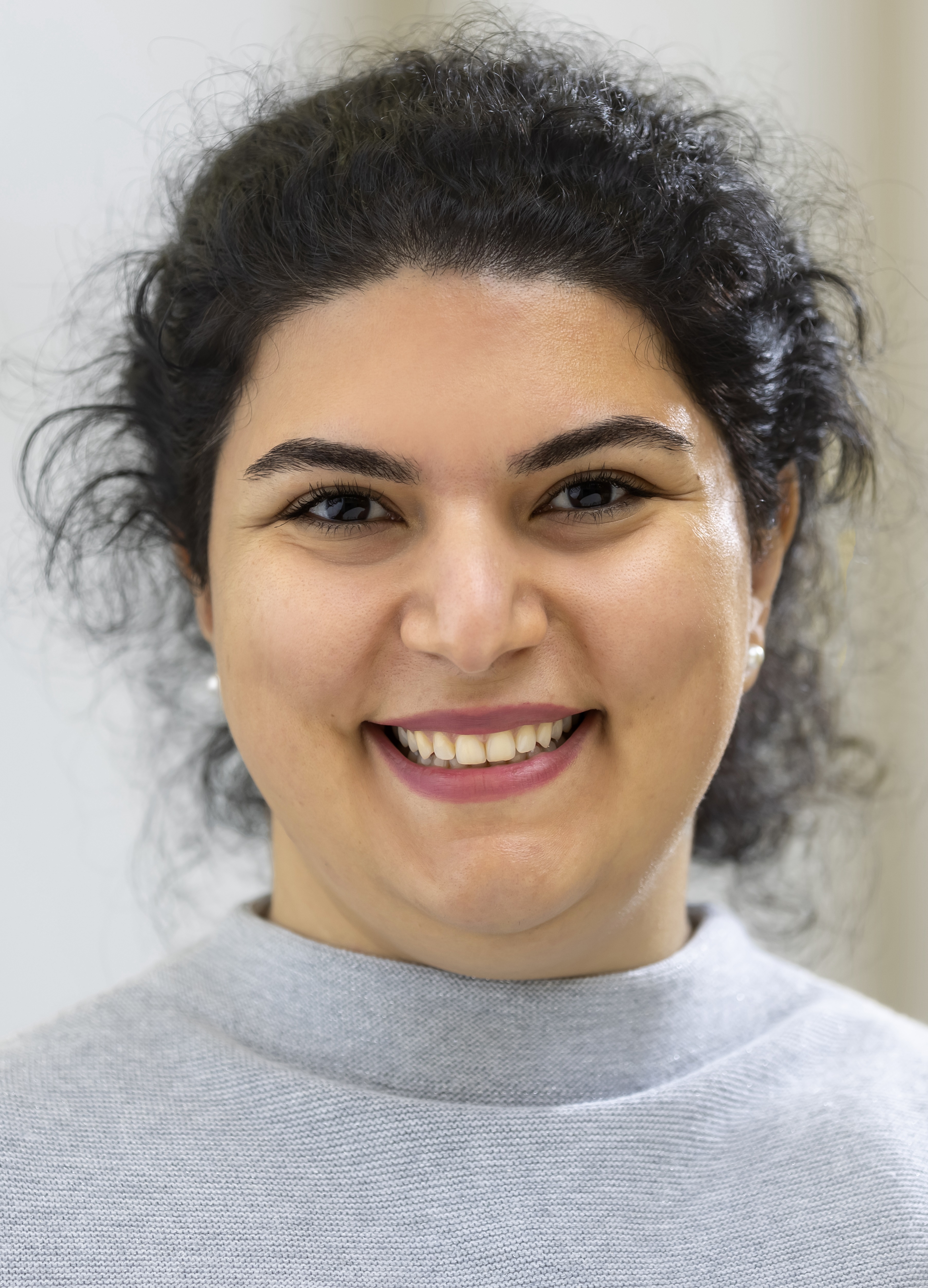
Leila Niamir
Leila Niamir, Coordinating Lead Author, Chapter 5: Enablers and barriers
This new chapter in the assessment marks the first time the IPCC has dedicated a chapter to enablers and barriers of mitigation. It explores the feasibility and capacity of mitigation, including technological, social, institutional, economic, political and financial aspects. Key areas include lifestyles and behavior, education, indigenous and local knowledge, health and wellbeing, inequality and inequity, labor and environmental resources, access to finance, services and technology, governance frameworks, political economy, and issues related to peace, security, and conflict.
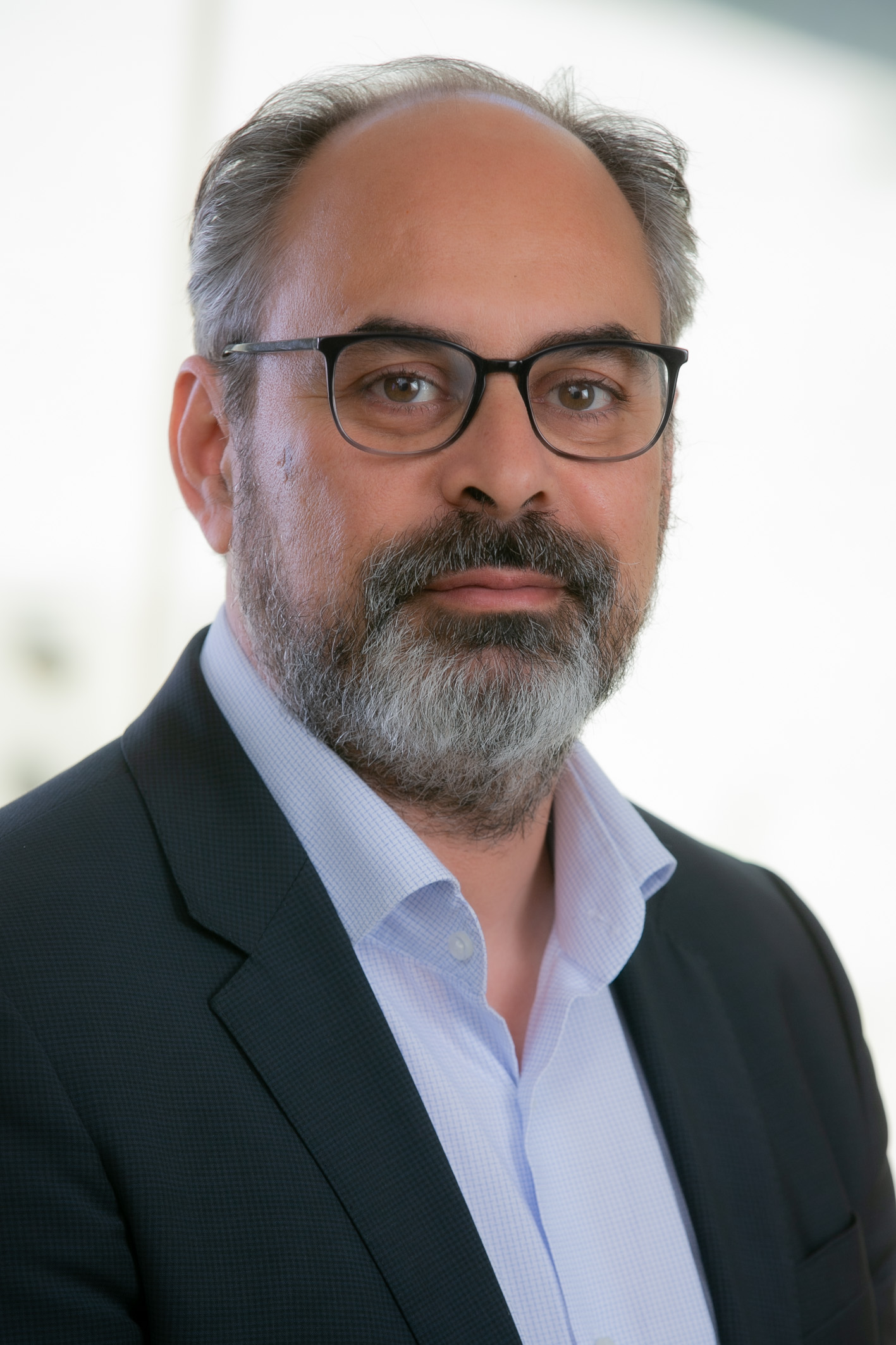
Bas van Ruijven, Coordinating Lead Author, Chapter 8: Services and demand
Van Ruijven leads the Sustainable Service Systems Research Group at IIASA and will lend his leading expertise in demand-side mitigation actions to exploring cross-sectoral potential to avoid climate change while increasing human development and wellbeing through changes in behavior, lifestyles, and service provisioning systems. The chapter will examine alternative ways to provide shelter, mobility, and other services more efficiently, how to achieve these alternatives through social changes, business models, policies, and the synergies of these alternatives with broader sustainable development and adaptation.
 © Silveri | IIASA
Keywan Riahi
Keywan Riahi, Lead Author, Chapter 9: Energy Systems
IIASA Energy, Climate, and Environment Program Director, Keywan Riahi will add his considerable expertise on multiple aspects of energy systems transformations to Chapter 9, which will focus on the assessment of pathways for transforming energy systems worldwide, including transitions in energy production, distribution, and demand across all sectors. The team will assess the feasibility of deep decarbonization strategies, the role of renewable technologies, energy efficiency, and synergies with sustainable development, as well as the enablers of a just and equitable energy transition.
In addition, the IPCC selected IIASA guest researchers Chris Smith (Coordinating Lead Author in Working Group I), Alaa Al Khourdajie, David McCollum, Shinichiro Fujimori, and Matthew Gidden (Lead Authors in Working Group III). Al Khourdajie has also been selected as member of the IPCC Task Group on Data Support for Climate Change Assessments, which provides guidance to the IPCC's Data Distribution Centre to ensure climate change-related data and scenarios are well-curated, traceable, stable, available, and transparent for use in IPCC reports and by the wider scientific community.
“IIASA is proud that so many of our researchers have been entrusted with leadership roles in the IPCC AR7. Their selection reflects not only the Institute’s scientific excellence across disciplines, but also our commitment to providing knowledge that helps policymakers navigate the complex challenges of climate change. By contributing to all three Working Groups, IIASA scientists will help ensure that the next IPCC assessment delivers the rigorous, integrated, and solutions-oriented insights the world urgently needs,” concludes IIASA Director General Hans Joachim (John) Schellnhuber.
Further information:
https://apps.ipcc.ch/report/authors/
News
06 October 2026
Nanjing University delegation visits IIASA to explore future collaboration
A high-level delegation from Nanjing University (NJU), led by Professor Tan Zhemin, President of NJU and Fellow of the Chinese Academy of Sciences, visited IIASA to discuss opportunities for strengthening scientific cooperation and advancing joint research on global challenges.
21 September 2026
Fairness informs how the world cuts emissions
Who cuts emissions fastest, and who supports others do so, are central questions in global climate action. New IIASA-led research shows that building fairness into climate models from the start can inform deliberations without changing the overall climate goal.
07 September 2026
Investing in climate and clean air action can deliver 15-fold returns
Every US$1 invested in tackling climate change and air pollution together can generate around US$15 in economic benefits, according to a report published today by the UN Environment Programme (UNEP) and the Climate and Clean Air Coalition (CCAC). This is higher than tackling climate and clean air separately and includes both market and non-market economic gains.