The following statistics are from the last 5 full calendar years: 2021-2025
Publications
Projects
Engagement
2
IIASA staff visits to Gambia
People
News
18 May 2026
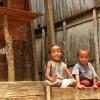
African Human Capital Data Sheet 2026
The African Human Capital Data Sheet 2026: Past Trends, Skills, and Future Pathways presents new evidence on population trends by level of education, skills, and demographic transitions across the African continent.

11 September 2025
IIASA and LSHTM partner to advance health and climate research
IIASA and the London School of Hygiene & Tropical Medicine (LSHTM) have signed a Memorandum of Understanding (MoU) to strengthen collaboration at the intersection of health and climate research. Building on their complementary expertise, the two institutions will join forces to develop innovative approaches that address some of today’s most pressing global challenges.
24 January 2023
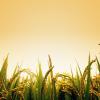
Supporting evidence-based policymaking in The Gambia
Researchers working on the FACE-Africa project have co-developed country-specific information and tools with Gambian food system stakeholders to evaluate possible strategies for adapting to climate change and ensuring sufficient healthy food for The Gambia. Their recommendations and key findings are now available in a new IIASA policy brief.
Focus
08 July 2024
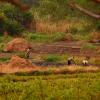
Future food demand in The Gambia: can increased crop productivity and climate adaptation close the supply–demand gap?
The Gambia faces significant food availability issues due to low agricultural productivity. IIASA researchers and colleagues used the FABLE Calculator to explore actions to reduce the food supply-demand gap by 2050. The results, published in Food Security, reveal that current cropland will not meet food demand by 2050.

Annual Report 2023
Exploring plant-based food alternatives to advance global sustainability
Shifting diets could yield major improvements for climate and biodiversity. IIASA researchers found that replacing half of all main meat and milk products with plant-based alternatives by 2050 can reduce agriculture and land userelated greenhouse gas (GHG) emissions by 31% and halt the degradation of forests and natural land.