
Balancing the needs of people and nature is one of the defining challenges of our time. Throughout 2025, the Biodiversity and Natural Resources Program advanced research on how societies can pursue climate, biodiversity, and development goals while managing growing pressures on land, water, energy, and ecosystems.

Powering low-emission aviation in China
China’s aviation sector is growing rapidly, making it a major source of emissions and a difficult-to-decarbonize sector. Working with the ClimateWorks Foundation, IIASA researchers explored whether renewable electricity and captured CO₂-based synthetic e-fuels could reduce China’s aviation emissions and achieve cost competitiveness over 2020–2050.
The study examined how renewable energy supply, water availability, infrastructure, Direct Air Capture (DAC) technology development, and policy support influence e-fuel costs and production potential. Research also compared this pathway with an alternative strategy combining DAC carbon storage with continued use of conventional jet fuel.
The results show that e-fuel prices depend mainly on the cost of capturing carbon dioxide from the air and electricity prices. If electricity becomes cheaper and the technologies improve over time, e-fuel costs could fall to about US$1,000–1,300 per ton. The study also found that solid-absorbent DAC technologies may work better in water-scarce and high-demand regions such as Beijing, Shanghai, and the Guangdong–Hong Kong–Macau area.
In an ambitious scenario, China could produce up to 102 million tons of e-fuels by 2050, meeting about 84% of aviation fuel demand. However, this would require large amounts of renewable electricity and water.
“Our findings show that e-fuels could play a significant role in reducing aviation emissions in China if deployment aligns with regional resource constraints and long-term infrastructure planning,” says lead author Shubham Tiwari. “However, no single pathway exists – decarbonizing aviation requires a portfolio of technologies rather than one solution.”
Further information: pure.iiasa.ac.at/20515
Balancing nature restoration and land use in Europe
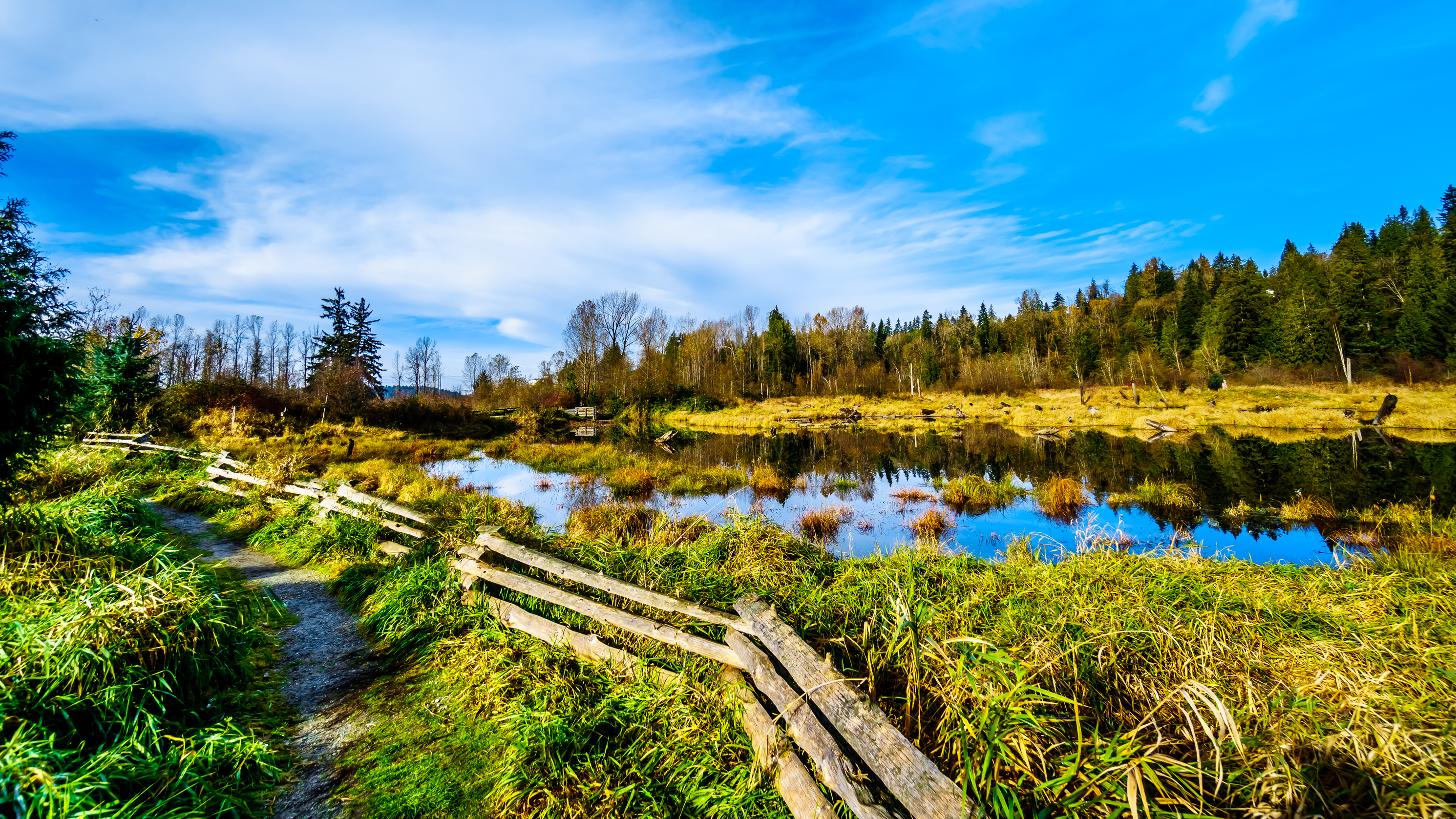
Can nature restoration and economic development go hand in hand? IIASA researchers showed that ambitious biodiversity goals in the European Union can be achieved without undermining food production or other land-based industries.
Europe has adopted ambitious targets under the EU Nature Restoration Law to restore degraded ecosystems and improve biodiversity. At the same time, demand for land is rising as societies require more biomass for food, animal feed, energy, and fiber, raising concerns that conservation efforts could conflict with economic development. To address this challenge, researchers developed an integrated spatial planning approach that considers conservation, agriculture, forestry, and climate goals together. By analyzing where restoration actions and production activities could occur across Europe, the team identified strategies to reduce land use conflicts while maintaining agricultural and forest production.
The results show that strategic planning can create “win-win” outcomes that minimize trade-offs between biodiversity protection and the bioeconomy. Restoration targets covering about 12.2–15.1% of EU land could be achieved without jeopardizing areas used for food production, energy crops, or timber while still benefiting biodiversity.
Restored ecosystems also support services such as pollination, water purification, and carbon storage. The study found that restoration could increase total above- and below-ground carbon stocks by 6–19%, depending on whether efforts focus on species rich or carbon-rich areas, supporting the EU’s long-term carbon neutrality goals. These findings can help guide EU Member States in designing restoration plans that support both biodiversity and sustainable land use.
Further information: pure.iiasa.ac.at/20539
Forests and the bioeconomy: Navigating climate and biodiversity goals
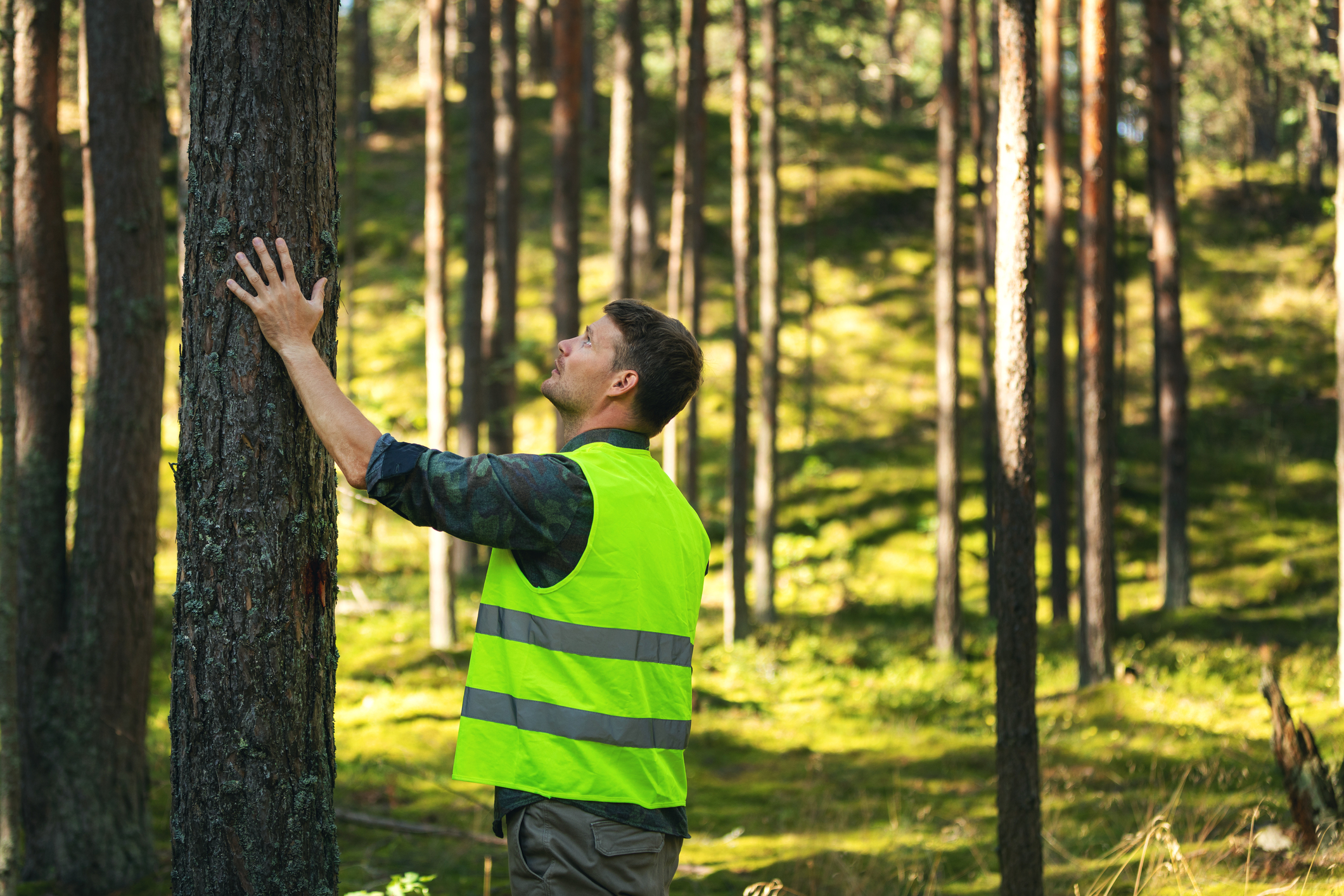
Europe’s forests are central to the continent’s growing bioeconomy, providing renewable materials for construction, energy, and other products. At the same time, forests must continue to store carbon and protect biodiversity. IIASA-led research shows how these goals can be balanced under a changing climate.
Two studies resulting from the Horizon Europe-funded ForestNavigator project examined how forest management and policy choices could shape the future of Europe’s forests.
The first study linked the Global Biosphere Management Model (GLOBIOM) and the Global Forest Model (G4M) to assess how climate change may affect forest growth and management across the European Union. The results indicate strong regional differences. Forest productivity could increase in parts of northern Europe but decline in southern regions as climate conditions become more challenging. The study shows that adaptive management such as adjusting thinning practices, harvest levels, and the length of forest-growing cycles, can help maintain wood supply while supporting forest carbon storage and other ecosystem services.
A companion study explored how conservation policies might affect Europe’s forest-based industries, finding that implementing the EU Biodiversity Strategy for 2030, including protecting 30% of EU land, would have only a limited impact on overall woody biomass supply within the EU. However, stricter protection could shift some production outside Europe and reduce the international competitiveness of EU wood industries.
Together, the studies highlight how integrated modeling can help policymakers understand trade-offs and design strategies that support both forest conservation and a sustainable forest‑based bioeconomy.
Further information: pure.iiasa.ac.at/20752; pure.iiasa.ac.at/20465
Scaling nature-based solutions for water-resilient food systems
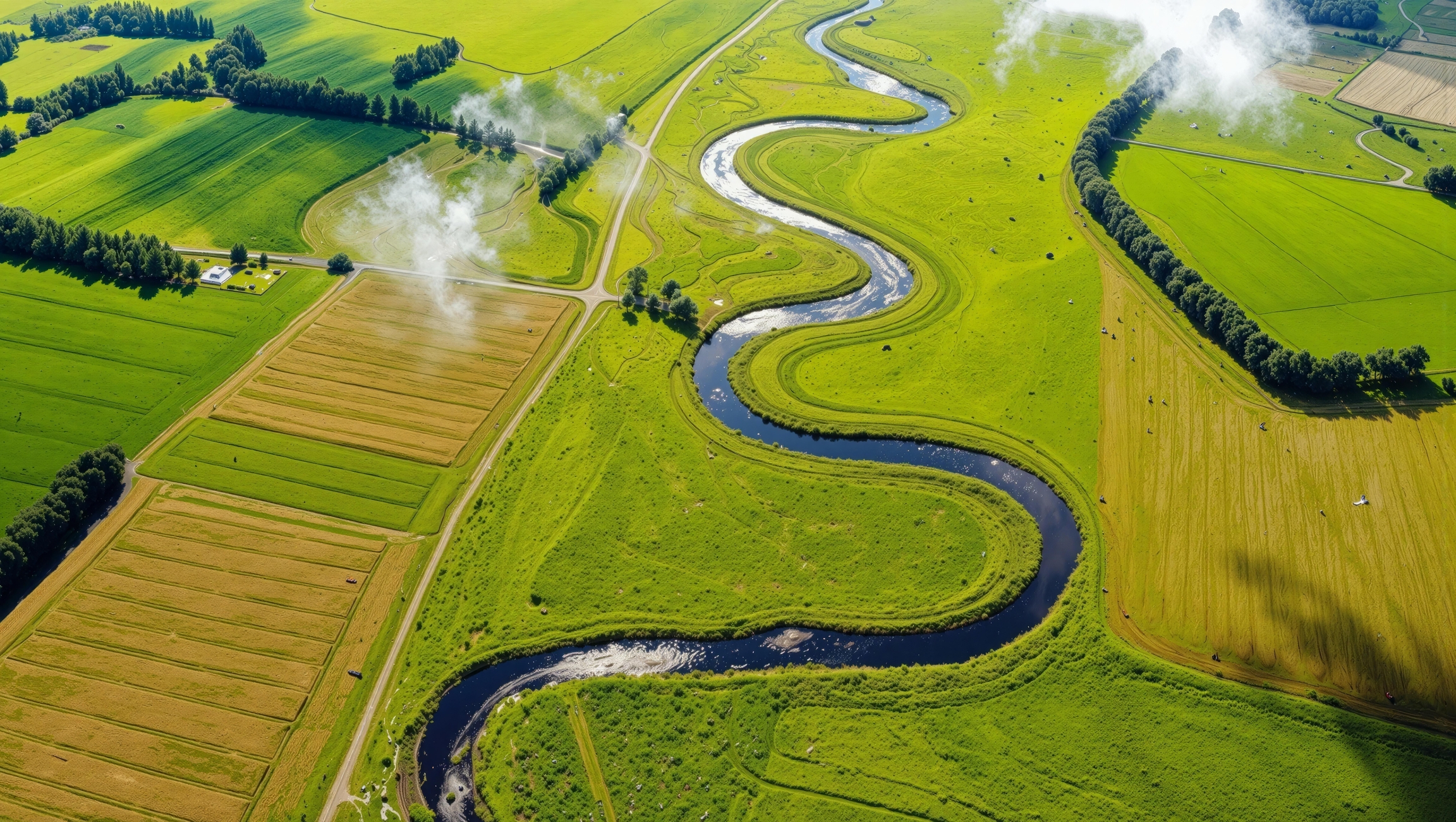
Climate change is intensifying droughts, floods, and water scarcity in many of the world’s major food-producing regions. In 2025, IIASA researchers coauthored a report with The Nature Conservancy, highlighting how nature-based solutions can help reduce these risks while strengthening food systems and protecting ecosystems.
The report examines how climate impacts on water resources are increasingly linked to challenges for food production and biodiversity. As extreme weather events become more frequent, agricultural landscapes face growing pressure to maintain productivity while safeguarding water supplies and ecosystem health.
To address these challenges, the study introduces a framework of “archetypes” that connects specific water-related climate risks with suitable nature-based solutions and the enabling conditions needed to implement them. These solutions include restoring wetlands and floodplains, improving soil health, protecting watersheds, and integrating trees and vegetation into agricultural landscapes. Such measures can help regulate water flows, reduce flood risks, and improve drought resilience while also supporting biodiversity.
The authors also emphasize that scaling these solutions requires more than technical knowledge. Effective policies, financing mechanisms, and cross-sector collaboration are essential to support adoption at the landscape level. By mapping where water risks, food production, and biodiversity pressures intersect, the framework provides practical guidance for governments, businesses, and development organizations seeking to build more resilient agricultural systems.
The findings highlight the potential of nature-based solutions to deliver multiple benefits, including strengthening water security, supporting food production, and protecting ecosystems, while helping societies adapt to a changing climate.
Further information: pure.iiasa.ac.at/20985