

IIASA researchers have been working with the Climate and Clean Air Coalition (CCAC), Stellenbosch University, and the African Centre for Clean Air, to provide financial and technical support to Uganda, through its National Environment Management Authority (NEMA), to develop the Uganda Sector Strategy for Organic Waste Management.
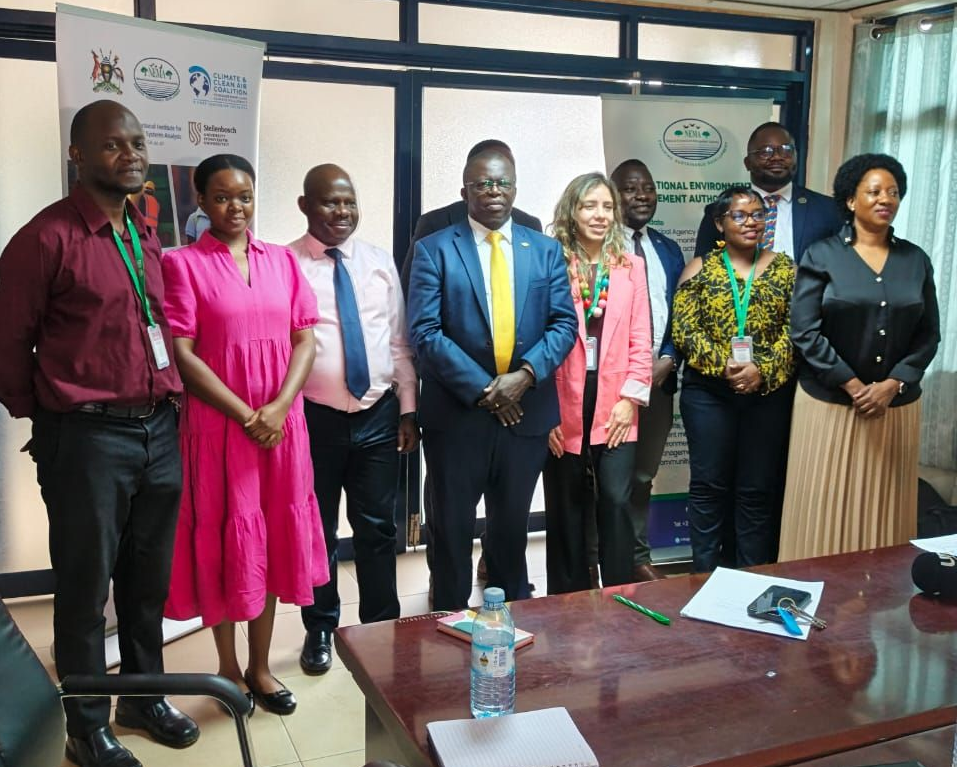
The collaboration culminated in a two-day meeting held from 18 to 19 March 2026 in Kampala, where project partners formally handed over the Uganda National Strategy for Organic Waste Management to the Government of Uganda. The event brought together stakeholders from government, academia, civil society, and the private sector, marking the successful conclusion of the Sustainable Organic Waste in Uganda (SOWU) project.
 © NEMA
The meeting included representatives from the Uganda National Environment Management Authority (NEMA), Kampala Capital City Authority(KCCA), the Africa Centre for Clean Air (ACCA) and IIASA.
Launched under the CCAC framework, the SOWU project aimed to support Uganda in addressing a major source of methane emissions – organic waste – by strengthening national data, analytical capacity, and policy planning. Building on earlier engagement initiated in 2024, the project applied an integrated assessment approach to evaluate waste flows, identify cost-effective mitigation measures, and explore opportunities for circular economy solutions such as composting, biogas production, and improved collection systems.
Researchers from the IIASA Energy, Climate, and Environment Program contributed to the development of scenario analyses and modeling tools to assess environmental and socioeconomic impacts of different waste management pathways. This work helped inform a strategy that is both evidence-based and aligned with Uganda’s climate commitments, including efforts to reduce short-lived climate pollutants.
During the closing meeting, project partners presented key outcomes, including methodological advances, stakeholder engagement processes, and lessons learned from implementation. Discussions also focused on next steps to operationalize the Strategy, including financing, institutional coordination, and capacity building.
“The development of this strategy reflects strong collaboration between national and international partners and provides a clear pathway for reducing emissions from organic waste while delivering local environmental and health benefits,” notes Adriana Gomez Sanabria, SOWU project leader and a senior research scholar in the IIASA Pollution Management Research Group.
The Uganda National Strategy for Organic Waste Management provides a comprehensive framework to improve waste collection and treatment, reduce methane emissions, and promote resource recovery. Its handover marks a transition from planning to implementation and sets the stage for continued collaboration to support sustainable waste management in Uganda.
The conclusion of the SOWU project represents an important milestone in advancing sustainable and responsible waste management, demonstrating practical potential for methane mitigation in this sector supporting climate mitigation efforts and highlighting the value of international scientific collaboration in supporting national policy development.
 © NEMA
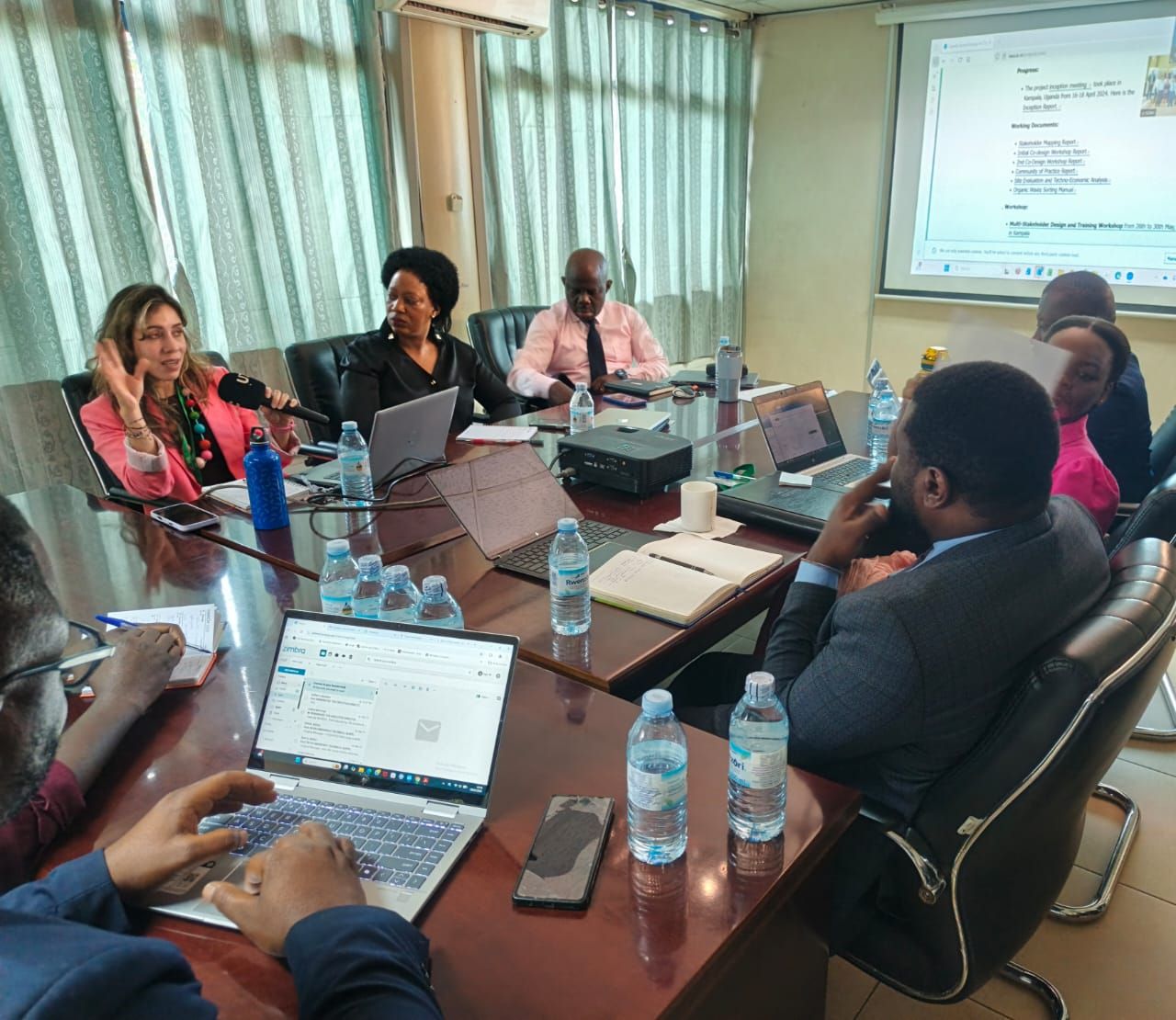
SOWU project leader and IIASA senior research scholar, Adriana Gomez Sanabria, addressing the participants.
News
16 September 2026
Exploring new opportunities for regional collaboration across sub-Saharan Africa
IIASA recently welcomed a high-level delegation from its Sub-Saharan Africa Regional Member Organization (SSARMO), its first Regional Member Organization, to explore and shape the next phase of collaboration across Sub-Saharan Africa.
14 September 2026
Can a warming climate put women at greater risk?
Unusually warm periods could have a link to an increased risk of intimate partner violence against women, according to a new IIASA-led study covering 31 countries in sub-Saharan Africa. The findings highlight how rising temperatures may compound existing risks of violence, with effects varying between demographic groups.
10 July 2026
CropSuit app to help farmers grow the right crops in the right places
Farmers, extension workers, and governments now have a powerful new tool to help identify the crops best suited to specific parcels of land, enabling more efficient use of resources and greater resilience to climate change.