


Dmitry Erokhin, Research Scholar at the IIASA Cooperation and Transformative Governance (CAT) Research Group, presented a study titled “Analysis of Online Public Discourse and Sentiment during Nuclear Emergencies: A Case Study of YouTube Comments” conducted in collaboration with Nadejda Komendantova, Leader of the IIASA CAT Research Group, at the International Conference on Stakeholder Engagement for Nuclear Power Programs 2025, organized by the International Atomic Energy Agency (IAEA).
On June 29, Dmitry Erokhin, Research Scholar at the IIASA Cooperation and Transformative Governance (CAT) Research Group, presented a study titled “Analysis of Online Public Discourse and Sentiment during Nuclear Emergencies: A Case Study of YouTube Comments” conducted in collaboration with Nadejda Komendantova, Leader of the IIASA CAT Research Group, at the International Conference on Stakeholder Engagement for Nuclear Power Programs 2025, organized by the International Atomic Energy Agency (IAEA).
The presentation focused on the use of discourse and emotion analysis methodologies to understand public sentiment and online discussions following nuclear incidents. By systematically analyzing social media data, this joint study uncovers what users are thinking, the key topics under discussion, the range and intensity of emotions expressed, and the prevalence and nature of misinformation circulating within these conversations. The research highlights the crucial role of real-time analysis in managing public perceptions and mitigating the spread of misinformation during sensitive events.
Reflecting on the conference, Dmitry Erokhin remarked on the breadth of perspectives and the forward-looking discussions about the future and prospects of nuclear power. The event provided a valuable platform to exchange ideas and deepen understanding of stakeholder engagement in the evolving energy landscape.
To read more on the International Conference on Stakeholder Engagement for Nuclear Power Programmes click here.
 © IAEA
Dmitry Erokhin presenting at the International Conference on Stakeholder Engagement for Nuclear Power Programmes.
News

05 November 2026
What will society look like after the world's population hits its peak?
How will populations around the world change over the next three centuries, and what will those changes mean for future societies? In a new study, IIASA researcher Samir KC explores how populations and human capital across 200 countries and territories could evolve in the years leading up to 2300.

22 October 2026
Global agricultural productivity growth is in decline
Global agricultural productivity growth has hit its lowest level since the 1970s, threatening future food security. IIASA researchers contributed to Chapter 3 of the 2026 GAP Report published by the Global Agricultural Productivity (GAP) Initiative at Virginia Tech, exploring how regenerative agriculture could help reverse this trend while improving farm profitability and resilience.
16 October 2026
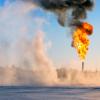
Getting back on track to reduce methane emissions
A new study, led by IIASA researchers and coauthored by UNEP colleagues, finds that if governments fully implement their methane reduction plans, they could reduce global emissions by 11% between 2020 and 2030. This would reverse the current trend of increasing methane emissions, but would not be sufficient to achieve the goal of the Global Methane Pledge.