The following statistics are from the last 5 full calendar years: 2021-2025
Publications
0
Publications by IIASA researchers from Lesotho
Projects
245
Projects related to Lesotho
| Name | Start | End Sort ascending | Abbreviation | Classification |
|---|---|---|---|---|
| ICON-44: International Cooperation – National Communication Strategy (IEA Bioenergy, Task 44) – Contribution Funds | 2025 | 2027 | ICON-44-ContFund | Global |
| ILUC modelling on Sustainable Aviation Fuels at ICAO | 2025 | 2027 | ICAO_MOVE_2024 | Global |
| Integrated Design of the Components of the Energy System to Plan the Uptake of Renewable Energy Sources | 2023 | 2027 | iDesignRES | Global |
| OCO: Operationalising legal principles to navigate Climate Overshoot | 2025 | 2027 | OCO | Global |
| Bridging current knowledge gaps to enable the UPTAKE of carbon dioxide removal methods | 2023 | 2027 | UPTAKE | Global |
| Health Extensions for the SSPs | 2025 | 2027 | HealthySSPs | Global |
| Leveraging Earth Observation for Nature finance | 2025 | 2027 | LEON | Global |
| Integrating permafrost into our global solution for climate change | 2024 | 2027 | PF-Paths | Global |
| Financial instruments for carbon removal obligations | 2024 | 2027 | FINCRO | Global |
| Towards a Pan-European Research Infrastructure for Excellent Citizen Science | 2025 | 2027 | RIECS-CONCEPT | Global |
Pagination
0
Projects sponsored by funders from Lesotho
Engagement
1
Number of times participants from Lesotho joined IIASA events
People
News
02 June 2026
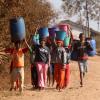
Climate-driven drought linked to rising violence among adolescents in Southern Africa
New research from IIASA and the University of Oxford provides the first quantitative evidence that drought exposure over the last 12 months is associated with increased risk of sexual, emotional, and physical violence among adolescents in Southern Africa. This risk rises substantially during cumulative droughts over two years.
18 May 2026
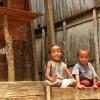
African Human Capital Data Sheet 2026
The African Human Capital Data Sheet 2026: Past Trends, Skills, and Future Pathways presents new evidence on population trends by level of education, skills, and demographic transitions across the African continent.