
The Raiffa Academy, anchored at IIASA, is the hub of a global network of researchers, government officials, and decision analysts promoting the application of decision science and negotiation analysis methodologies in the development of solutions to complex, science-intensive policy challenges. In this personal reflection, Howard Raiffa's daughter, Judy Raiffa, shares the story of her father's transformative years at IIASA, the profound impact they had on his life's work, and the enduring vision he hoped would continue to shape the Institute's future.
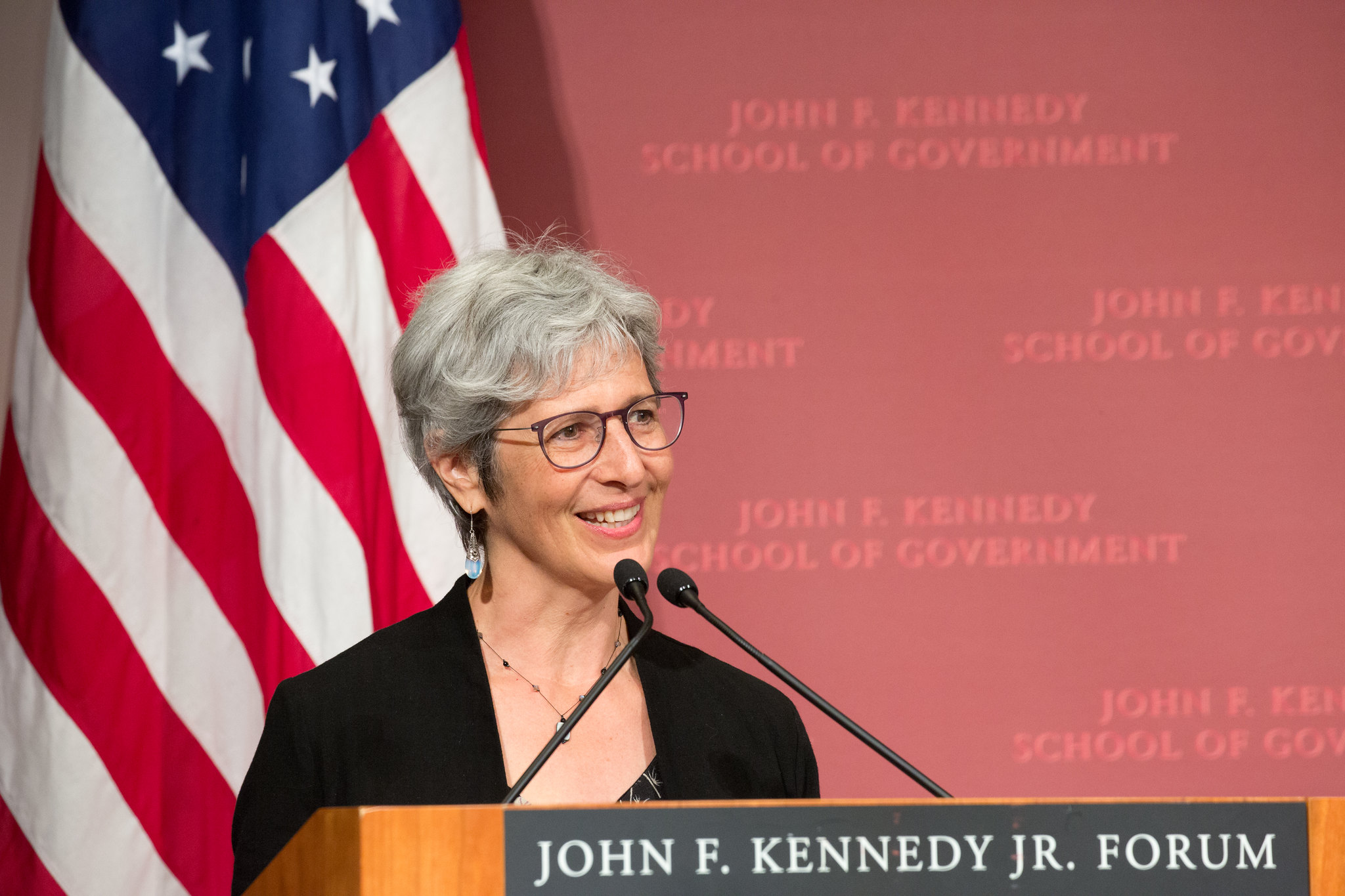 © Harvard University
Judy Raiffa speaking at the memorial service in honor of Howard Raiffa at Harvard University.
I was only a teenager in 1968, during the Cold War, when my father threw himself into the complex pre-negotiations aimed at bringing scientists from the Soviet Union and the US together. Despite the seemingly intractable antagonisms, the will to collaborate was found and IIASA was created: a scientific community transcending international strife in the service of grappling with joint problems facing the world. It has been said that the reason IIASA came into existence was that Howard Raiffa didn’t know it couldn’t be done.
My father was a bridge-builder, and his experience at IIASA touched him to his core – scientists collaborating across deep divides, as they should – for the sake of an ailing planet, for humanity, for the sake of peace.
Before my father became involved in the launching of IIASA, his academic work was in game theory, mathematical statistics, and decision analysis. But no matter how deeply rooted his intellect was in this theoretical work and its promise of rationality, his work at IIASA propelled him into the real world of international mediation and diplomacy.
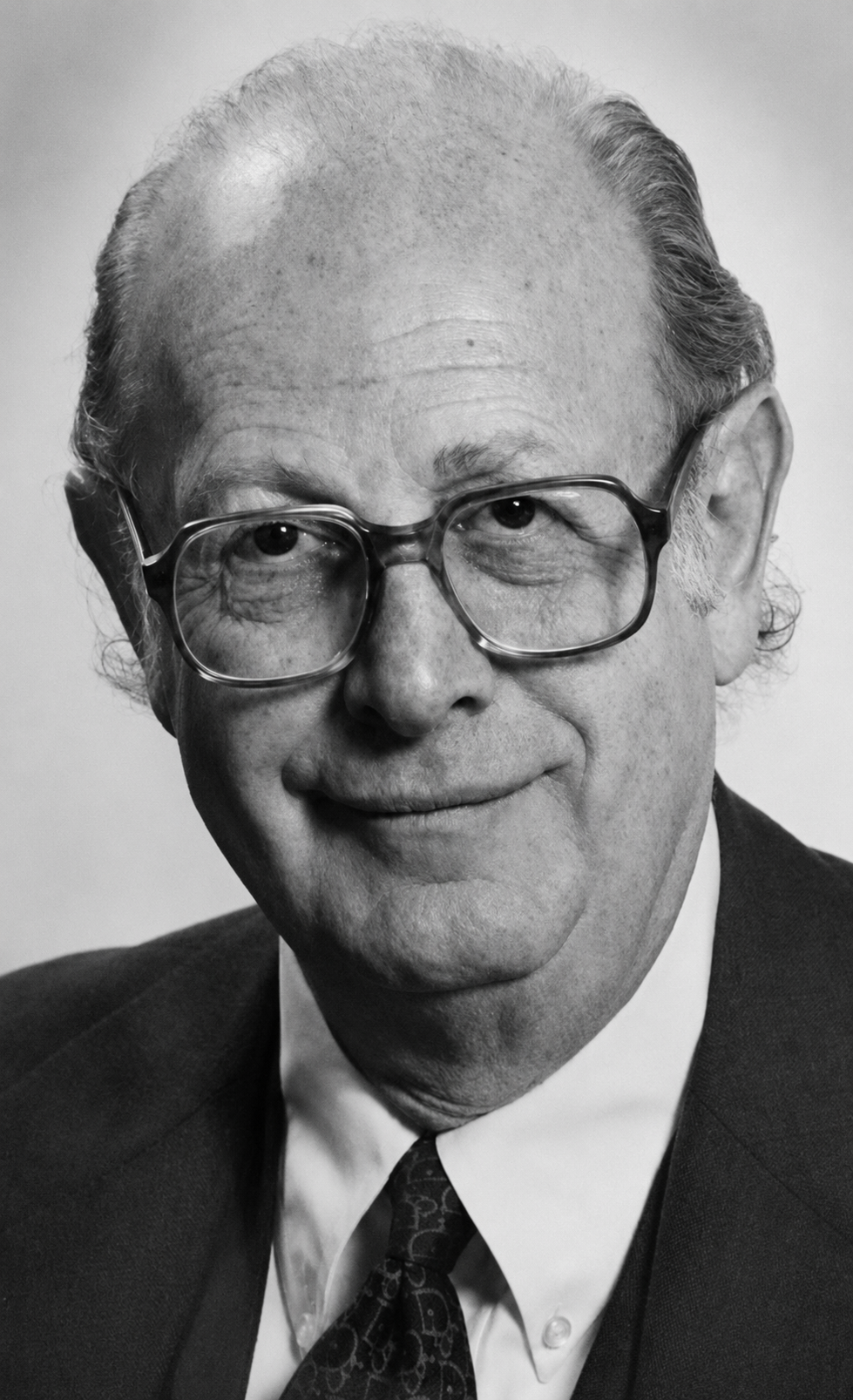 © National Academies of Sciences, Engineering, and Medicine
Howard Raiffa
It was at IIASA that my father realized that if his work in decision theory was to make a lasting contribution in usefulness and relevance, the decision sciences would have to join hands with cutting edge negotiation practices and put wise decisions to use. IIASA was the project that combined his most passionate and varied interests with his most strongly felt responsibilities to the world; and it was the endeavor from which he learned the most. It was his experience at IIASA that shifted his focus away from esoteric mathematical aspects of decision analysis towards the behavioral and political. It sparked his initial interest in the field of negotiation and turned his attention towards the complex science and art of getting things done in the real world.
My father was not done with IIASA at the end of his life. As he said to Ralph Keeney and Detlof von Winterfeldt in their 2015 filmed interview with him:
“I wish I were 20 years younger so I could be here to work with you on this important task.”
Right before his death in 2016, my father tasked me with doing a final project “with” him, (which, I must say, means a lot to me). Here was my assignment: To gain support for an initiative at IIASA that would NOT be something sequestered in academia and would NOT be something aimed at making the most informed policy recommendations. Rather, the task was to create a center (in his name if that helped) that would be dedicated to taking these recommendations further, making them actionable in the real world. The center would be promoting the expertise required to bridge the gap between science and impact.
He was aware that our planet is under pressure and that scientists must not stop at road-blocks to getting things done. Taking on this work would require advances in science diplomacy and a substantially enlivened network of connections. IIASA, he believed, was uniquely equipped to take on this important role.
I said yes to our project, of course.
Note: This article gives the view of the author and not the position of the IIASA Insights blog, nor of the International Institute for Applied Systems Analysis.