
© IIASA
The 2023 Annual Report provides a concise overview of the achievements and contributions made by IIASA researchers in various fields throughout the past year. In addition, it illustrates the Institute's effective use of science diplomacy, capacity building, collaborations, and networks, and highlights the structures, policies, and processes IIASA has implemented to enrich the research ecosystem and maintain its reputation as a leading center for impactful, policy-oriented applied systems analysis.
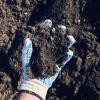
The Resilience of Ecosystem Services provided by Intact and Sustainably managed Terrestrial ecosystems (RESIST) project aims to develop a modeling framework that integrates biophysical feedbacks and socioeconomic drivers affecting the environment.

Researchers from the IIASA Advancing Systems Analysis Program, Biodiversity and Natural Resources Program, Energy, Climate and Environment Program, and from the Population and Just Societies Program share their expertise to carry out the IIASA Tools for Raising and UnderStanding Trust in systems science through citizen engagement (TRUST) Strategic Initiative.
The IIASA Just Transitions to Net‑Zero Carbon Emissions for All (JustTrans4All) project contributes to novel analyses of transition pathways that are cognizant of diverse justice considerations. The project aims to help shape policies that make people’s lives better without harming the planet, following the UN 2030 Agenda and the Paris Agreement.

In the fairSTREAM project, IIASA researchers from the Equity and Justice, Water Security, and Biodiversity, Ecology, and Conservation research groups aim to address issues of fairness. This is crucial for managing risks in nexus challenges where conflicting views on procedural and outcome fairness often remain unresolved and jeopardize finding solutions.
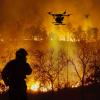
As wildfires become more frequent and severe due to climate change, it’s important to address the unequal distribution of wildfire risk in communities. A 2023 IIASA study calls for more integrated and inclusive wildfire risk management approaches and proposes a novel framework mapping different justice aspects.
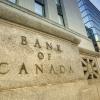
Scientists from the Advancing Systems Analysis Program, in collaboration with the Bank of Canada, developed a next-generation model for monetary policy analysis and projections.
In 2023, IIASA launched two innovative webtools offering a wealth of data and insights into climate mitigation and exposure to impacts stemming from development and climate change.
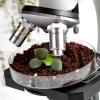
The soil beneath our feet holds vital information for understanding agriculture, climate, and environmental sustainability. IIASA provides user friendly tools to support decision makers in developing national, regional, and global strategies for food security and the environment.

IIASA research shows that the remaining carbon budget to limit global warming to 1.5°C is significantly less than previously anticipated and could be depleted within the next six years.

Shifting diets could yield major improvements for climate and biodiversity. IIASA researchers found that replacing half of all main meat and milk products with plant-based alternatives by 2050 can reduce agriculture and land userelated greenhouse gas (GHG) emissions by 31% and halt the degradation of forests and natural land.
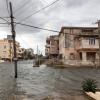
IIASA researchers used a new method to analyze the effectiveness of the Caribbean Catastrophe Risk Insurance Facility (CCRIF) with regard to its ability to minimize the short-term fiscal effects of disasters.
IIASA researchers have proposed a new method to quantify the impact of the COVID-19 pandemic on life expectancy.

Social media can be a critical source of data to help explore the formation and evolution of public opinion. IIASA researchers are at the forefront of exploring this field, leveraging platforms such as X (formerly Twitter) and Google combined with advanced statistics and machine learning to offer insights into the collective psyche of society.
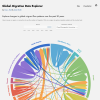
IIASA researchers developed a tool to help address the lack of data on global migration flows and provide a visual method for exploring migration patterns worldwide.

Researchers in the Biodiversity, Ecology, and Conservation (BEC) Research Group of the IIASA Biodiversity and Natural Resources Program released an R-package – a collection of code, data, and documentation in a standardized format – which allows the integration of heterogeneous biodiversity observation sources.
Various IIASA studies have highlighted the need for societal and technological transformations that could form the basis for new lifestyles to create a more just, net-zero world through innovation.
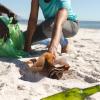
Working with IIASA researchers, Ghana pioneered the adoption of a citizen science approach to address the problem of plastic pollution in marine environments. Further analysis highlighted how a similar citizen science data validation and reporting process can benefit reporting on the Sustainable Development Goals (SDGs) in other countries.
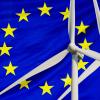
IIASA researchers played a central role in the European Commission’s recommendation for the 2040 climate target, from delivering the scientific foundation and establishing dialogue with the community, to being among the renowned scientists selected as members of the European Scientific Advisory Board on Climate Change.
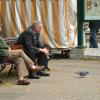
Pension systems are the bedrock of financial security during retirement, especially in the face of population aging and changing socioeconomic landscapes. There are, however, differences in current pension benefits based on socioeconomic status, raising concerns about fairness and sustainability.
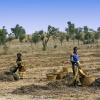
IIASA researchers conducted several case studies and published two policy briefs informing policymakers about policy and financing barriers limiting the uptake of nature‑based solutions (NBS) compared to conventional grey infrastructure, as well as possible ways of overcoming them.
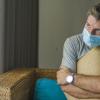
The COVID-19 pandemic severely impacted global health and economies, prompting governments to deploy two primary strategies – vaccines and lockdowns – to mitigate its impacts. Understanding how these two measures may complement or substitute each other is imperative to finding the best mitigation strategies for future pandemics.
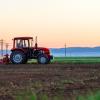
The land use, land-use change, and forestry (LULUCF) sector plays a crucial role in achieving global climate targets, but there are differences between how scientists and countries account for its emissions. An IIASA study shed light on these disparities, revealing significant implications for global climate targets.
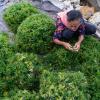
A team of researchers investigated whether seaweed offers a sustainable alternative to land-based agricultural expansion to meet the world’s growing need for food and materials.
The achievement of several Sustainable Development Goals (SDGs) and the success of the Paris Climate Agreement depend on rapid progress towards sustainable food and land systems in all countries.
A year in the making, the IIASA Flagship Report titled “Systems Analysis for Sustainable Wellbeing. 50 Years of IIASA Research, 40 Years After the Brundtland Commission, Contributing to the Post-2030 Global Agenda” was launched in September 2023 at an official UN event in the framework of the 78th session of the UN General Assembly.