
As global challenges grow increasingly interconnected and uncertain, the Advancing Systems Analysis Program provides decision-makers with the tools and insights needed to respond effectively.
In 2024, IIASA researchers developed new models to support resilient food and climate systems, quantified the costs of adaptation and climate-related loss and damage, and examined public responses to disasters through social media analytics. The program also explored how artificial intelligence and citizen engagement can work together to improve environmental monitoring. By advancing methodologies to better capture complexity and uncertainty, the program works to improve the adaptive capacity of policy systems all over the world.

Analyzing public perception of disasters and climate change using social media data
IIASA researchers used data from Google Trends and different social media platforms to analyze how public sentiment evolves in response to disasters and climate change.
Scientists explored the potential of social media analytics as a source of data for understanding public response to disasters and proposed future avenues for the integration of social media data into disaster preparedness and risk reduction strategies.
As a case study, researchers used data from Google Trends to assess public interest in geological disasters.
“Our findings revealed spikes in public interest during major disasters, highlighting the importance of timely and accurate information dissemination,” explains IIASA researcher Dmitry Erokhin. “Google Trends emerged as a valuable tool for monitoring public concern, offering insights that can inform disaster management strategies and boost community resilience.”
In another study, researchers used Google Trends to examine search behavior, public perceptions, and the influence of misinformation related to natural disasters, finding heightened engagement in regions experiencing direct climate impacts, such as Africa and Asia, while engagement levels varied across Western countries. The results also highlight a noticeable rise in public interest following the spread of conspiracy theories, underscoring the power of misinformation shaping the climate discourse.
“This analysis reinforces the need for targeted communication strategies to effectively address public misconceptions and enhance the understanding of climate- and disaster-related issues to improve disaster risk reduction,” concludes IIASA research group leader, Nadejda Komendantova.
Further info:
https://pure.iiasa.ac.at/20135
https://pure.iiasa.ac.at/20052
https://pure.iiasa.ac.at/20165
Harnessing the combined power of AI and citizen science
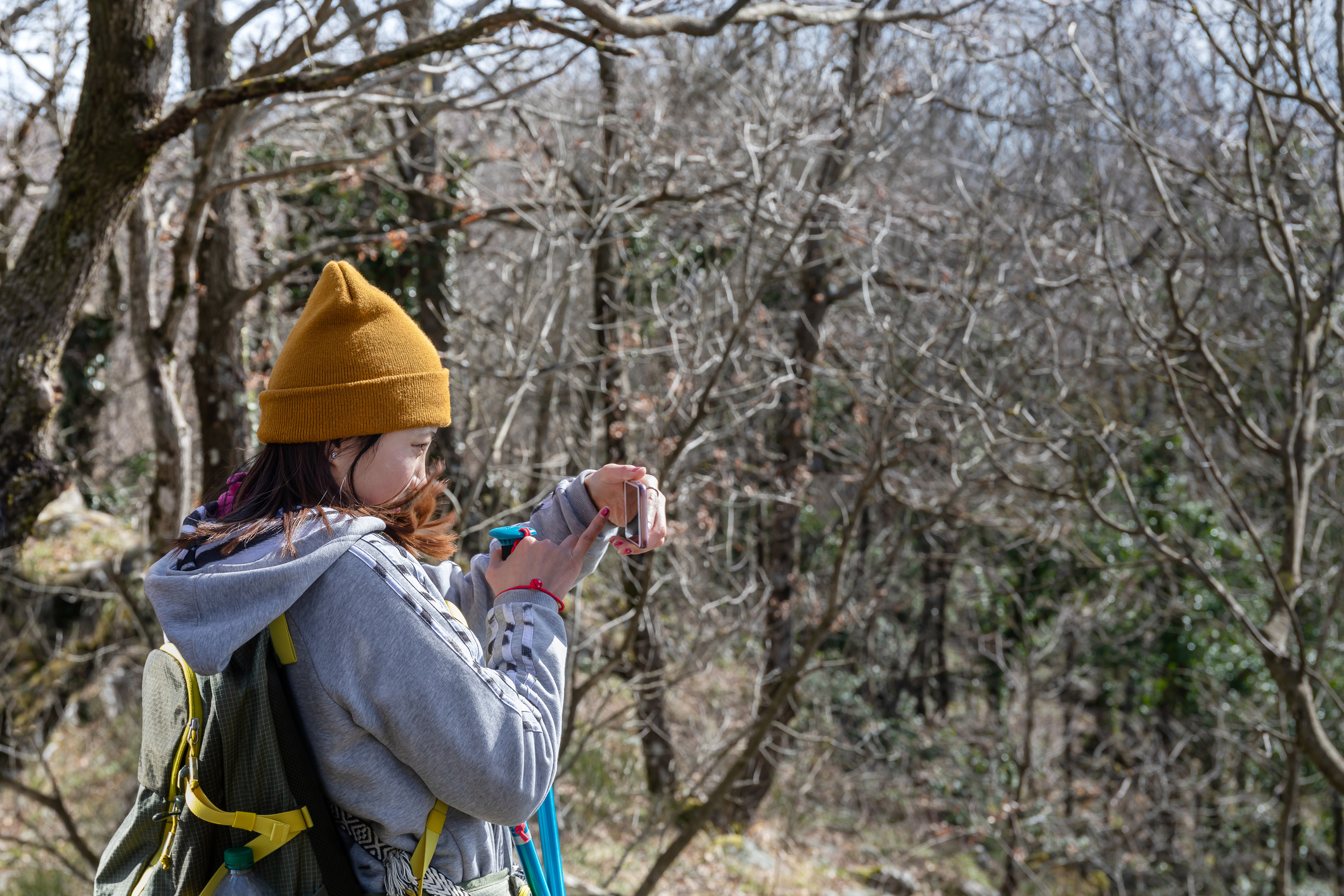
Artificial intelligence (AI) and citizen science hold immense potential for monitoring and assessing progress toward sustainability. IIASA researchers explored how their combined power can be leveraged to predict ecological phenomena and identify drivers of tropical deforestation.
Researchers examined synergies between citizen science and AI, seeking to enhance capacity to monitor and achieve sustainability. They noted that AI is already being incorporated into citizen science projects, however, the reverse integration, where citizen science approaches are embedded into AI development, is lacking. This integration holds significant potential in tackling social bias in AI and advancing the Sustainable Development Goals (SDGs).
In another study, scientists used a combination of machine learning and opportunistic citizen science observation data to design a novel framework that predicts temporal dynamics of ecological events, such as migration patterns of different species. The framework was designed to be easily applicable by ecologists and practitioners using machine-learning and statistics-based predictive approaches. It can be utilized across large geographical scales and is robust to spatial and temporal bias in recording effort.
The combined power of citizen science and machine learning also proved useful for mapping drivers of tropical forest loss, opening opportunities for scalability and automation. Building on decades of past IIASA research in this area, researchers developed and trained a deep learning model to analyze satellite images of over 588 000 sites. Using this model, they produced a map detailing the factors driving tropical forest loss. Agriculture, in particular oil palm and pasture, proved to be the main driver.
Further info:
https://pure.iiasa.ac.at/20189
https://pure.iiasa.ac.at/19873
https://pure.iiasa.ac.at/19795
Navigating the unknown: tackling uncertainty in climate and food security modeling
In two new studies, IIASA scientists contributed to one of the Institute’s key research areas: decision-making under uncertainty. In one study, researchers developed a model for improving food security and farmer livelihoods in West Africa. Another study explored the feasibility of achieving the 2°C climate target given the uncertainty in mitigation costs.
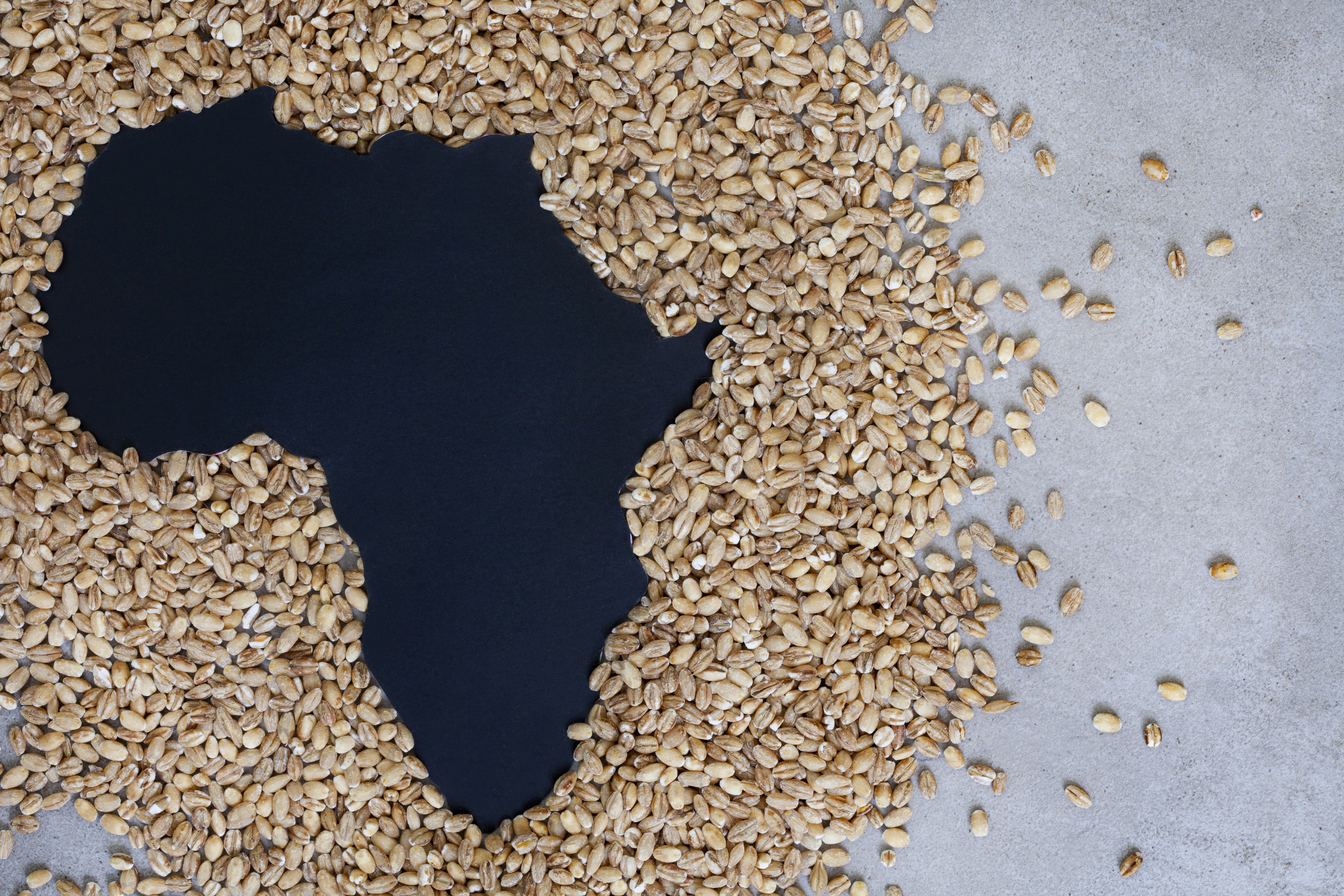
In Africa, around 20% of the population are experiencing ongoing hunger. IIASA researchers developed a new model to demonstrate how the reliability of food supply in West Africa can be enhanced in the most cost-effective way.
“Our model focuses on the risk of low yields due to droughts, addressing the trade-off between reliability of domestic food supply and cultivation costs. Understanding this trade-off can help policymakers determine the acceptable level of food insecurity risk and associated mitigation costs,” explains IIASA researcher Matthias Wildemeersch.
In another study, researchers conducted a comparative analysis of climate mitigation pathways, seeking to find the most cost-effective ways to stay below 2°C under various assumptions about mitigation costs reflecting different visions of intergenerational cost distribution. They analyzed ways to reduce emissions, identifying 18 sets of the most cost-effective pathways that are robust in terms of physical uncertainty, economic paradigms, and intergenerational cost distribution.
“Methods such as the ones used in these studies can be applied to explore a wide range of decision-making problems concerning natural resource management, making it more adaptive to environmental and economic variability and reducing the risk of unforeseen outcomes,” notes IIASA Advancing Systems Analysis Program Director Elena Rovenskaya.
Further info:
https://pure.iiasa.ac.at/19543
https://pure.iiasa.ac.at/19696
Identifying the limits of climate change adaptation
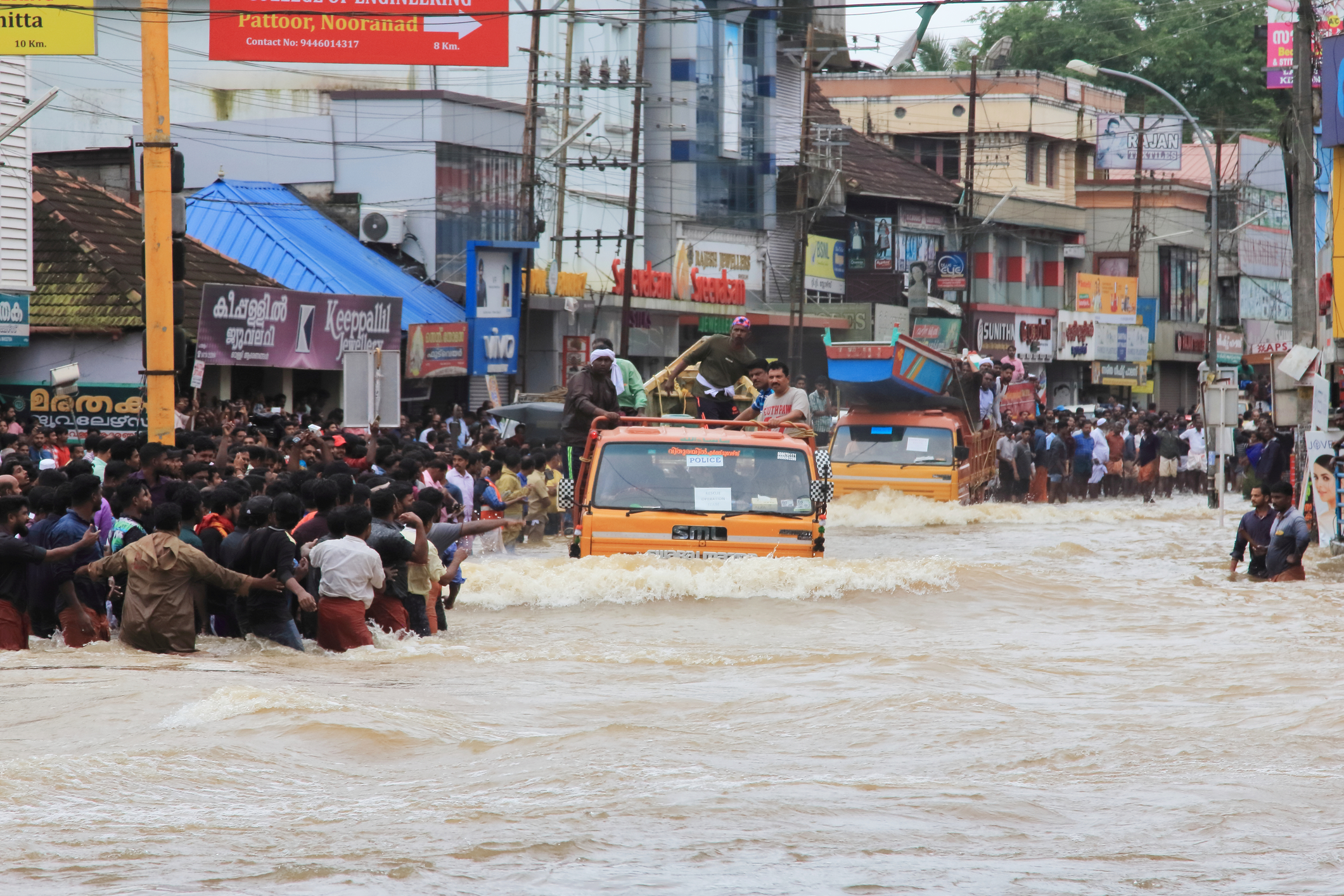
Climate change may push some communities beyond the limits of adaptation. To address this, the UN established a Loss and Damage fund to support developing countries particularly vulnerable to the effects of climate change and climate-induced disasters. However, uncertainties remain around the scale of funding required.
Using a novel methodological framework, IIASA researchers assessed adaptation limits along adaptation pathways and proposed new research strategies for empirical and model-based limit assessments, which are central to national and international adaptation policymaking.
They highlight that across different sectors, there are high constraints with limits to adaptation, especially in small island developing states, Africa, and Australasia, while lower constraints are associated with limits to adaptation in Asia, Central, South, and North America, and Europe. Researchers proposed targeted research strategies for each region, highlighting that the modeling of limits can be further developed and validated, building on an existing evidence base.
IIASA researchers also provided estimates of the current economic impacts of climate change and their geographical distribution, and computed each country’s contribution or potential entitlement to the Loss and Damage fund under the assumption that their historical responsibility for CO2 emissions must equalize their share of the current economic impacts of climate change. The authors estimate that for 2025, global Loss and Damage funding needs amount to around US $395 billion. Although it is still unclear where these funds will come from and how they will be used, the cost is clearly substantial and expected to grow if not counteracted by ambitious mitigation and adaptation action.
Further info:
https://pure.iiasa.ac.at/19858
https://pure.iiasa.ac.at/19770